The Healing Benefits of Anti-inflammatory Foods: A Guide to Reducing Inflammation Naturally
Inflammation is a natural response by the body to protect itself from harm and promote healing. However, chronic inflammation can lead to a host of health issues, including heart disease, diabetes, and even cancer. Fortunately, there are many foods that have anti-inflammatory properties and can help reduce inflammation naturally.
Anti-inflammatory foods are rich in antioxidants, vitamins, and minerals that help combat inflammation and support overall health. These foods can help reduce pain, swelling, and stiffness, and improve overall well-being. By incorporating these foods into your diet, you can help prevent and manage chronic inflammation and its associated health risks.
Here are some of the top anti-inflammatory foods to include in your diet:
1. Berries: Berries such as blueberries, strawberries, and raspberries are packed with antioxidants that help reduce inflammation and protect against chronic diseases. They are also low in calories and high in fiber, making them an excellent choice for overall health.
2. Fatty fish: Fatty fish like salmon, mackerel, and sardines are rich in omega-3 fatty acids, which have been shown to reduce inflammation and lower the risk of chronic diseases. Omega-3 fatty acids also support brain health and reduce the risk of depression and anxiety.
3. Leafy greens: Leafy greens like spinach, kale, and Swiss chard are rich in vitamins, minerals, and antioxidants that help reduce inflammation and support overall health. They are also low in calories and high in fiber, making them an excellent choice for weight management.
4. Nuts and seeds: Nuts and seeds like almonds, walnuts, and flaxseeds are rich in healthy fats, vitamins, and minerals that help reduce inflammation and protect against chronic diseases. They are also high in protein and fiber, making them a great snack option for sustained energy.
5. Turmeric: Turmeric is a spice that has been used for centuries in traditional medicine for its anti-inflammatory properties. It contains a compound called curcumin, which has been shown to reduce inflammation and support overall health. Turmeric can be added to soups, stews, and curries for a flavorful kick.
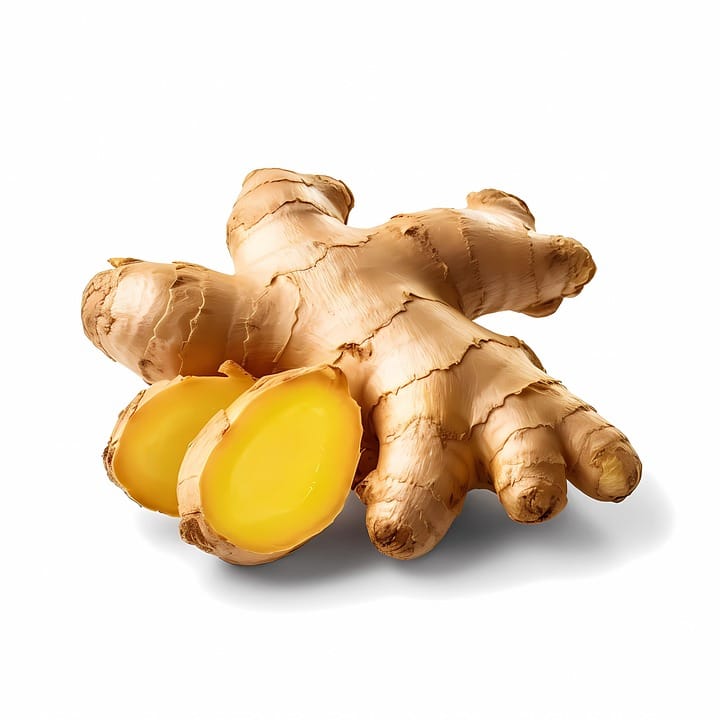
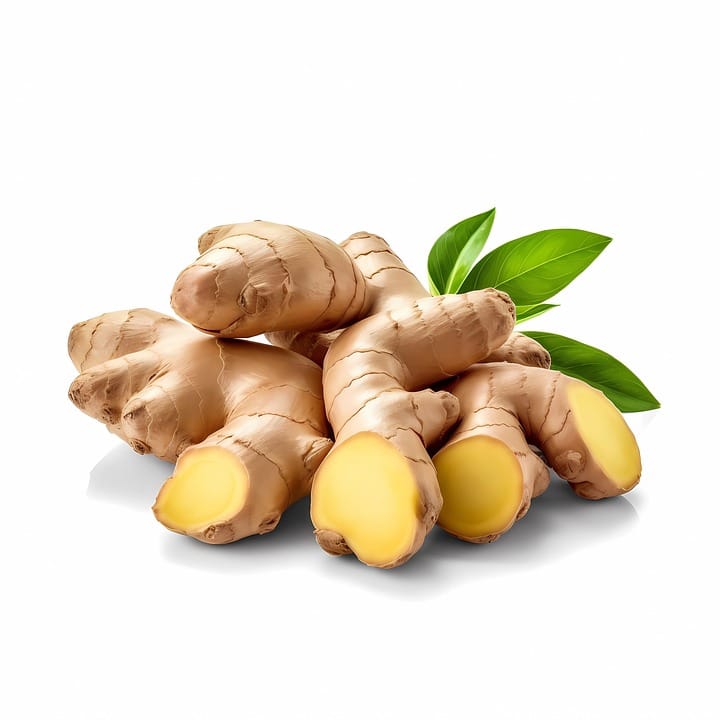
6. Ginger: Ginger is a root vegetable that has been used for centuries in traditional medicine for its anti-inflammatory properties. It contains compounds called gingerols, which have been shown to reduce inflammation and support overall health. Ginger can be added to teas, smoothies, and stir-fries for a spicy kick.
7. Green tea: Green tea is rich in antioxidants called catechins, which have been shown to reduce inflammation and protect against chronic diseases. Green tea also contains caffeine, which can boost metabolism and improve energy levels. It can be enjoyed hot or cold for a refreshing beverage option.
8. Olive oil: Olive oil is rich in monounsaturated fats and antioxidants that help reduce inflammation and protect against chronic diseases. It is a staple of the Mediterranean diet, which has been shown to reduce the risk of heart disease and promote overall health. Olive oil can be used for cooking, salad dressings, and dips for a healthy fat option.
9. Avocado: Avocado is a fruit that is rich in healthy fats, vitamins, and minerals that help reduce inflammation and support overall health. It is also high in fiber and low in carbohydrates, making it an excellent choice for weight management. Avocado can be added to salads, sandwiches, and smoothies for a creamy texture.
10. Dark chocolate: Dark chocolate is rich in antioxidants called flavonoids, which have been shown to reduce inflammation and protect against chronic diseases. It is also low in sugar and high in cocoa content, making it a healthier option for satisfying your sweet tooth. Dark chocolate can be enjoyed in moderation as a dessert or snack option.
In addition to incorporating anti-inflammatory foods into your diet, there are other lifestyle factors that can help reduce inflammation naturally. These include regular exercise, stress management techniques, and adequate sleep. By taking a holistic approach to health and wellness, you can support your body’s natural healing processes and reduce inflammation for improved overall health.
FAQs:
1. What is inflammation?
Inflammation is a natural response by the body to protect itself from harm and promote healing. It is characterized by redness, swelling, pain, and heat in the affected area. Acute inflammation is a short-term response to injury or infection, while chronic inflammation is a long-term response that can lead to chronic diseases.
2. What causes inflammation?
Inflammation can be caused by a variety of factors, including injury, infection, autoimmune disorders, and chronic stress. Poor diet, lack of exercise, and smoking can also contribute to inflammation and increase the risk of chronic diseases.
3. How can anti-inflammatory foods help reduce inflammation?
Anti-inflammatory foods are rich in antioxidants, vitamins, and minerals that help combat inflammation and support overall health. These foods can help reduce pain, swelling, and stiffness, and improve overall well-being. By incorporating these foods into your diet, you can help prevent and manage chronic inflammation and its associated health risks.
4. Are there any side effects to consuming anti-inflammatory foods?
In general, anti-inflammatory foods are safe to consume and have many health benefits. However, some people may be allergic to certain foods or have sensitivities that can cause digestive issues or other side effects. It is important to listen to your body and consult with a healthcare provider if you have any concerns.
5. How long does it take to see the effects of anti-inflammatory foods?
The effects of anti-inflammatory foods can vary from person to person, depending on factors such as diet, lifestyle, and overall health. Some people may notice improvements in inflammation and pain within a few weeks of incorporating anti-inflammatory foods into their diet, while others may take longer to see results. Consistency is key, so it is important to make healthy choices a part of your daily routine for long-term benefits.
6. Can I take supplements instead of eating anti-inflammatory foods?
While supplements can be a convenient way to boost your intake of certain nutrients, it is always best to get your nutrients from whole foods whenever possible. Anti-inflammatory foods contain a wide range of nutrients that work together to support overall health, and supplements may not provide the same benefits. It is important to focus on a balanced diet that includes a variety of fruits, vegetables, whole grains, and lean proteins for optimal health and wellness.
In conclusion, incorporating anti-inflammatory foods into your diet can help reduce inflammation naturally and support overall health. By focusing on whole, nutrient-dense foods like berries, fatty fish, leafy greens, nuts and seeds, turmeric, ginger, green tea, olive oil, avocado, and dark chocolate, you can help prevent and manage chronic inflammation and its associated health risks. Additionally, by adopting a healthy lifestyle that includes regular exercise, stress management techniques, and adequate sleep, you can support your body’s natural healing processes and reduce inflammation for improved overall health. Remember to listen to your body, consult with a healthcare provider if you have any concerns, and make healthy choices a part of your daily routine for long-term benefits.