
Key takeaways
- Sweet and spicy, umami, and “newstalgia” are some of the predicted flavour trends for 2026.
- Innovation in coffee processing has also created more “unconventional” flavours.
- But most specialty coffee consumers want consistency and reliability.
- Successful flavour innovation, particularly with limited-time drinks and co-fermented coffees, demands quality.
Recent research shows that flavour trends are becoming more “unconventional”. Mintel’s The Future of Flavours 2025 report highlights a growing appetite for flavour experimentation, more global influences, and a shift towards indulgence, among others.
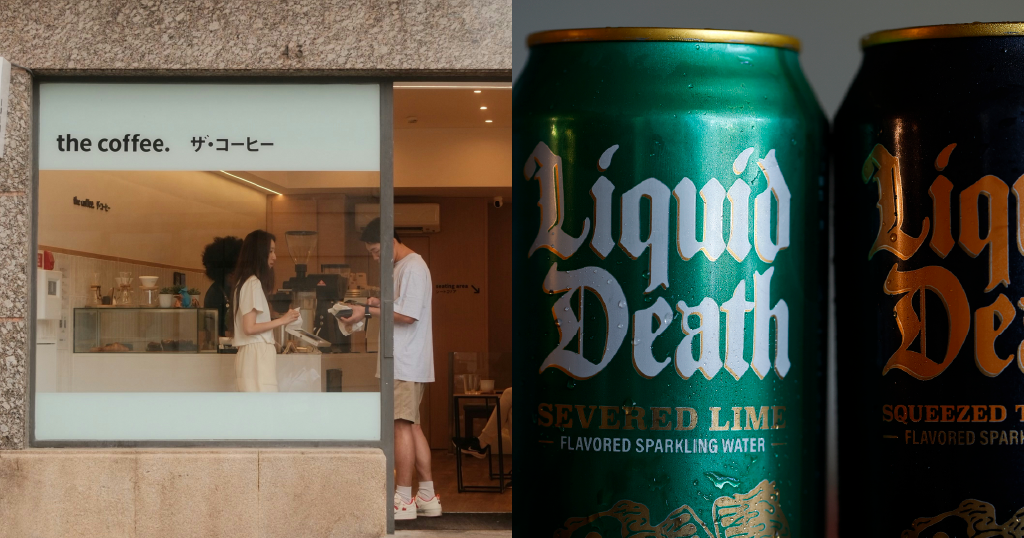
The wider food and beverage industry is taking note. Canned water brand Liquid Death released its limited-edition Deathberry Inferno last year, combining strawberry and ghost pepper flavours. The one-time drop was clearly designed to go viral, but it also demonstrates the popularity of the sweet and spicy (or “swicy”) flavour trend. McDonald’s CEO Chris Kempczinski recently predicted this trend will gain momentum in 2026 – a sign that consumers are becoming more adventurous with flavour discovery.
In recent years, specialty coffee has also experienced its own wave of flavour innovation. Co-ferments, most notably, are challenging conventions in an industry that typically values clarity and balance. Moreover, fermented tasting notes that were once considered defects by some Q graders, particularly in Western markets, are now more common worldwide.
As trends align across the coffee and beverage industries, specialty coffee brands need to question whether flavour innovation feels natural or forced. Specialty coffee consumers certainly demand new flavour experiences, but novelty can’t outweigh consistency and quality.
You may also like our article on why umami flavours in coffee continue to be valuable.

Consumers are becoming more adventurous – but they also demand familiarity
Post-pandemic, there have been two polarising consumer trends in the food and beverage industry: a demand for familiarity and comfort, alongside interest in more experimental flavours.
The reasons for the divide are related to mental health and earlier exposure to different international cuisines. In the UK alone, one in nine adults reports feeling high levels of stress daily, prompting many to seek nostalgic, traditional flavours that offer a sense of escapism.
Simultaneously, social media exposes more people to a wider range of global cuisines, encouraging them to try ingredients and flavours they haven’t experienced before. Mintel’s report found that 34% of Australian and 33% of Thai consumers, as well as people in China and South Korea, express interest in trying flavours from other cultures.
In response, the wider beverage industry is using novelty as a powerful marketing tool. Oatly’s 2025 lookbook, for example, featured Tomato Vine Soda Floats and Miso Maple Lattes – a nod to umami-forward flavours that consumers in Western markets may be unfamiliar with.
The coffee industry has mirrored this trend toward novelty in several ways. Cafés now experiment with salted cheese foams, cereal-infused milks (inspired by Momofuku’s Milk Bar), fruit-forward coffee drinks, tea-and-coffee combinations, and alcohol-infused lattes.
At the same time, producers are driving innovation in controlled, intentional fermentation. Co-ferments, where coffee is fermented with external organic substrates like fruit and mosto, are a chance to try flavour profiles previously not possible – often described as “fruit bombs”.
These products offer a chance for virality, to generate curiosity, and celebrate the diversity of global flavours. But they also prompt concern that “unconventionality” becomes the primary selling point. In specialty coffee, an overreliance on this risks eroding consumer trust.
“Some consumers are seeking something different – exciting flavours and creative concoctions,” says Spencer Turer, the head of quality assurance at private label roaster Pan American Coffee Co. “Others, however, consider their coffee to be ritualistic, seeking the same flavours, with the same intensity and strength every day for consistency and familiarity.”


How to balance innovation with flavour consistency in coffee
Despite the growing presence of experimental flavour trends in coffee, most consumers continue to demand familiarity: whether through milk-based drinks, “traditional” flavours like vanilla, or dependable origins like Brazil, for instance.
“Esoteric and creative flavours may capture consumers’ attention, but there is a distinct difference between securing the first sale and receiving positive comments with acquiring repeat business because the coffee is delicious and consumers want more,” Spencer explains.
Three factors that underpin the importance of consistency often play a role in consumer purchasing decisions. First is emotional connection; seasonal drinks such as the pumpkin spice latte demonstrate the power of flavour-linked memory and comfort.
Second is familiar flavours. Clean washed coffees like Colombian Milds act as a stable reference point in the era of fermentation-heavy processing experimentation.
And third is reliability. Wholesale accounts and consumers value coffees that perform consistently across different brewing methods, such as Brazilian naturals and balanced blends.
As specialty coffee’s “middle tier” (84-86 point coffees) – sitting between everyday blends and premium micro-lots – thins out, investing in dependable, consistent coffees becomes all the more important.
However, this doesn’t mean that roasters and coffee shops can’t push boundaries. Creativity is welcome in specialty coffee, but engaging with consumers about the extent of flavour innovation – and whether it has a ceiling – can lead to more positive responses.
“Customers need to give permission to experiment,” Spencer explains. “Some roasters and cafés may need to consider differences in consumer behaviour between weekdays and weekends, or between morning commutes and evenings, to help identify when and how to present new products and creative flavours.”
Roasters and cafés can also benefit from taking a more strategic approach to flavour experimentation, rather than simply pushing for innovation for its own sake.
“Moreover, flavour innovation should always have a business consideration, not just likeability,” Spencer adds. “Will the new coffee or drink bring incremental business, or just spread the same total revenue across more products, reducing the total volume for each? Think in terms of inventory, return on investment, and product profitability.”

As specialty coffee evolves, few dispute that flavour experimentation keeps it culturally relevant and commercially dynamic. But most also agree that the fundamentals remain unchanged: consistency is the priority.
“Encourage consumers to try new coffees and explore different flavours, and recognise their enthusiasm, but don’t assume that they have the same vocabulary and understanding as we do,” Spencer concludes. “Let the coffee sell itself, and offer samples. And remember some customers just want a good cup of coffee without the backstory and explanation of provenance.”
Cleanliness, consistency, and reliability continue to define specialty coffee. Innovation, when guided by intention and communicated honestly, can complement those foundations rather than replace them.
Enjoyed this? Then read our article on how coffee shops can tap into food trends.
Perfect Daily Grind
Want to read more articles like this? Sign up for our newsletter!
Source link