Foods to Eat for Better Digestion
Digestion is an essential bodily function that allows us to break down the food we eat into nutrients that our bodies can use for energy, growth, and repair. When our digestion is working efficiently, we can absorb all the necessary nutrients from our food and eliminate waste products effectively. However, many people experience digestive issues such as bloating, gas, constipation, or diarrhea, which can be uncomfortable and disruptive to daily life.
One of the most effective ways to improve digestion is by choosing the right foods to eat. Certain foods can help promote healthy digestion by providing essential nutrients, fiber, and beneficial bacteria that support the gut microbiome. In this article, we will explore some of the best foods to eat for better digestion and provide tips on how to incorporate them into your diet.
Fruits and Vegetables
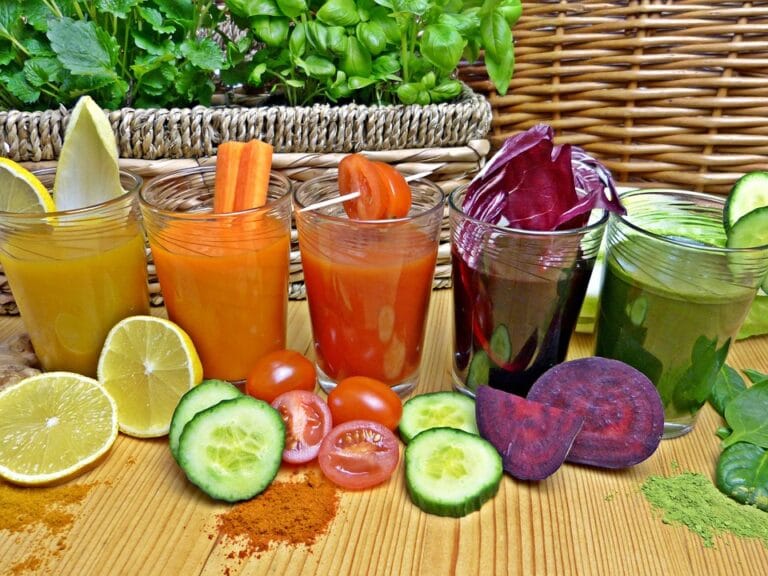
Fruits and vegetables are excellent choices for improving digestion due to their high fiber content. Fiber is essential for promoting regular bowel movements and preventing constipation. It also helps to bulk up stool and promote the growth of beneficial bacteria in the gut.
Some of the best fruits and vegetables for digestion include:
1. Apples: Rich in soluble fiber, apples can help regulate bowel movements and promote a healthy gut microbiome.
2. Berries: Berries are high in antioxidants and fiber, making them a great choice for supporting digestive health.
3. Leafy greens: Spinach, kale, and other leafy greens are packed with fiber and essential nutrients that support a healthy digestive system.
4. Bananas: Bananas are easy to digest and contain prebiotic fiber that feeds beneficial bacteria in the gut.
Whole Grains
Whole grains are another excellent source of fiber that can support healthy digestion. They also contain essential nutrients such as vitamins, minerals, and antioxidants that promote overall health.
Some of the best whole grains for digestion include:
1. Oats: Oats are a great source of soluble fiber, which can help regulate bowel movements and support a healthy gut microbiome.
2. Brown rice: Brown rice is high in fiber and contains beneficial nutrients that support digestive health.
3. Quinoa: Quinoa is a complete protein that is also rich in fiber, making it an excellent choice for supporting digestion.
Probiotic-Rich Foods
Probiotic-rich foods contain beneficial bacteria that can help improve digestion and support a healthy gut microbiome. These foods can help restore the balance of good bacteria in the gut, which is essential for overall digestive health.
Some of the best probiotic-rich foods for digestion include:
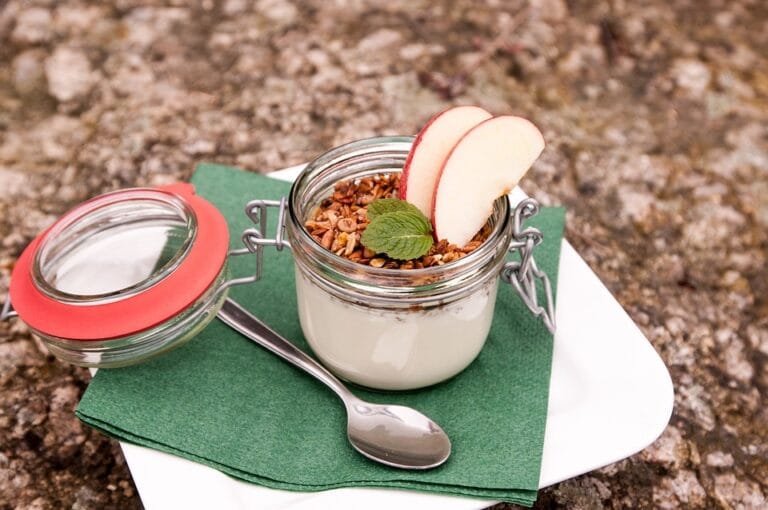
1. Yogurt: Yogurt contains live cultures of beneficial bacteria that can help support digestion and promote a healthy gut microbiome.
2. Kefir: Kefir is a fermented dairy product that is rich in probiotics and can help improve digestion and support immune health.
3. Kimchi: Kimchi is a traditional Korean fermented vegetable dish that is rich in probiotics and can help promote healthy digestion.
Healthy Fats
Healthy fats are essential for supporting digestion and overall health. They help to lubricate the digestive tract, promote nutrient absorption, and reduce inflammation in the gut.
Some of the best sources of healthy fats for digestion include:
1. Avocado: Avocados are rich in monounsaturated fats, which can help support digestion and reduce inflammation in the gut.
2. Olive oil: Olive oil is a healthy source of fats that can help promote healthy digestion and reduce the risk of digestive issues.
3. Nuts and seeds: Nuts and seeds are packed with healthy fats, fiber, and essential nutrients that support digestive health.
Hydrating Foods
Staying hydrated is essential for healthy digestion, as water helps to soften stool and promote regular bowel movements. Eating hydrating foods can also help support digestion and prevent constipation.
Some of the best hydrating foods for digestion include:
1. Cucumbers: Cucumbers are high in water content and can help keep the digestive tract hydrated and functioning properly.
2. Watermelon: Watermelon is a hydrating fruit that can help support digestion and prevent constipation.
3. Celery: Celery is a hydrating vegetable that can help promote healthy digestion and regular bowel movements.
Incorporating these foods into your diet can help support healthy digestion and prevent digestive issues. It is essential to focus on a balanced diet that includes a variety of nutrient-dense foods to promote overall digestive health.
FAQs
Q: What are some common digestive issues that can be improved by eating the right foods?
A: Some common digestive issues that can be improved by eating the right foods include bloating, gas, constipation, diarrhea, and indigestion.
Q: How can I tell if I have a digestive issue?
A: Some common signs of digestive issues include bloating, gas, stomach pain, constipation, diarrhea, and indigestion. If you are experiencing persistent digestive issues, it is essential to consult with a healthcare professional for proper diagnosis and treatment.
Q: Are there any foods that can worsen digestive issues?
A: Some foods can exacerbate digestive issues, such as high-fat foods, spicy foods, dairy products, and processed foods. It is essential to pay attention to how your body reacts to different foods and make adjustments to your diet accordingly.
Q: How can I incorporate more fiber into my diet for better digestion?
A: You can incorporate more fiber into your diet by eating plenty of fruits, vegetables, whole grains, nuts, and seeds. It is essential to gradually increase your fiber intake to prevent digestive issues such as bloating and gas.
Q: Are there any supplements that can help improve digestion?
A: There are some supplements that can help improve digestion, such as probiotics, digestive enzymes, and fiber supplements. It is essential to consult with a healthcare professional before taking any supplements to ensure they are safe and effective for your individual needs.
In conclusion, choosing the right foods to eat can play a significant role in promoting healthy digestion and preventing digestive issues. By incorporating nutrient-dense foods such as fruits, vegetables, whole grains, probiotic-rich foods, healthy fats, and hydrating foods into your diet, you can support a healthy gut microbiome and improve overall digestive health. Remember to listen to your body and make adjustments to your diet as needed to support optimal digestion and overall well-being.