Cleaning home espresso machines: Why correct dosing matters
Estimated reading time: 7 minutes
Key takeaways
- Regular home espresso machine cleaning prevents off-tasting shots, bacteria build-up, and costly machine damage.
- Dosage matters; too little or too much cleaner causes problems.
- Daily, weekly, and monthly routines each target different machine components.
- Portion-controlled tablets remove guesswork and deliver consistent cleaning results.
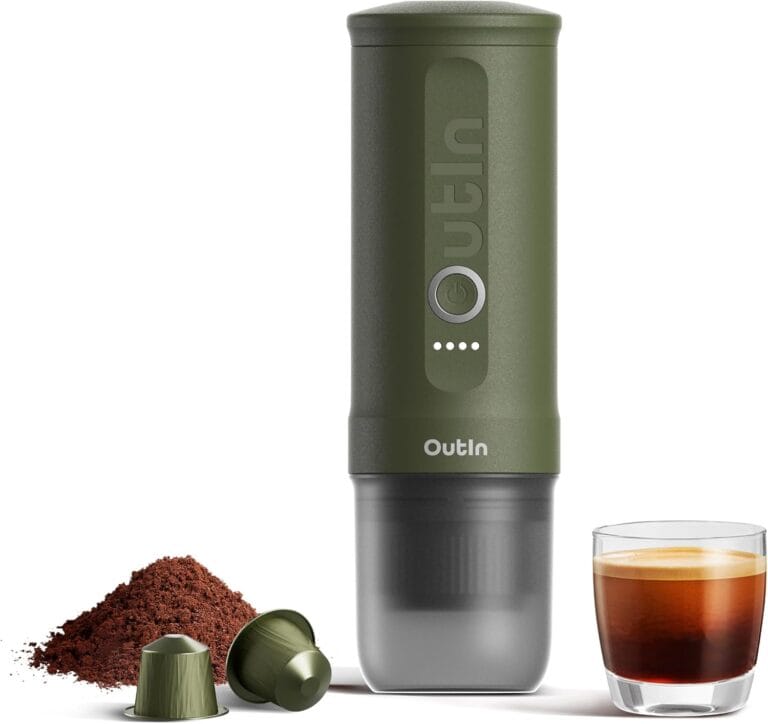
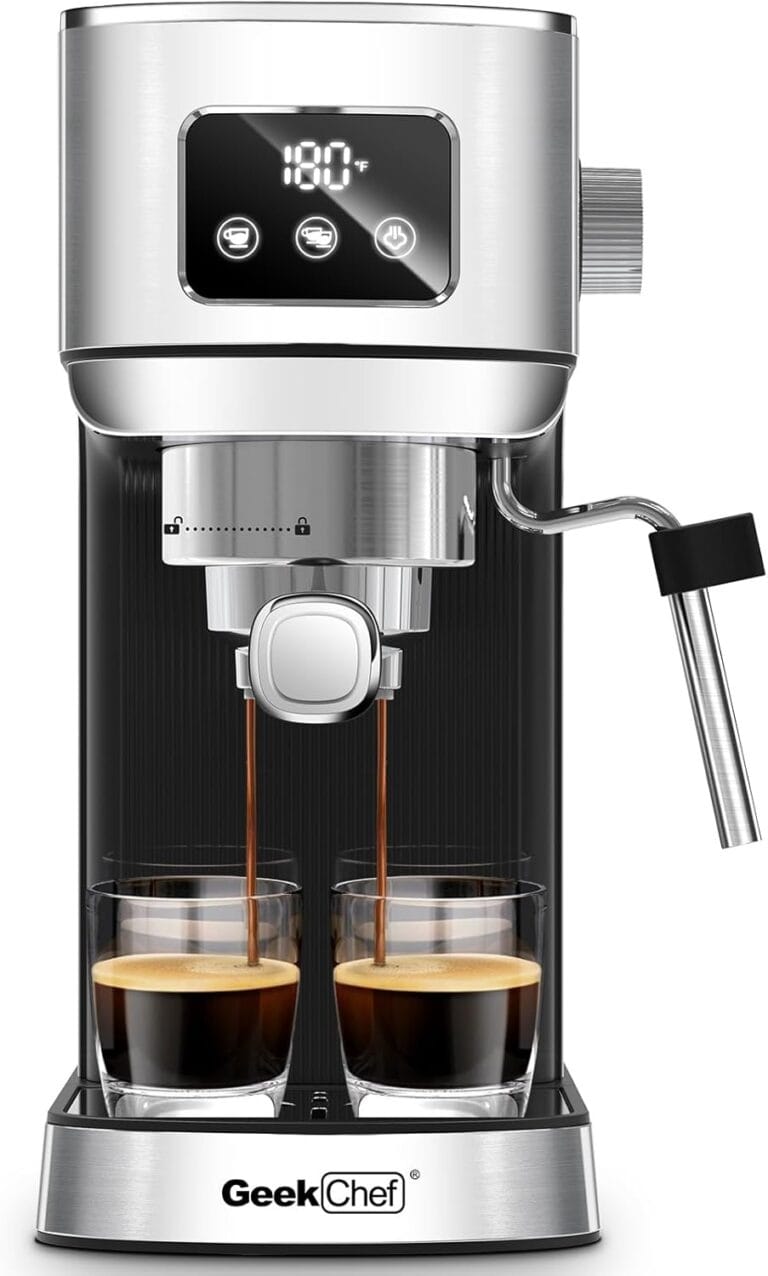
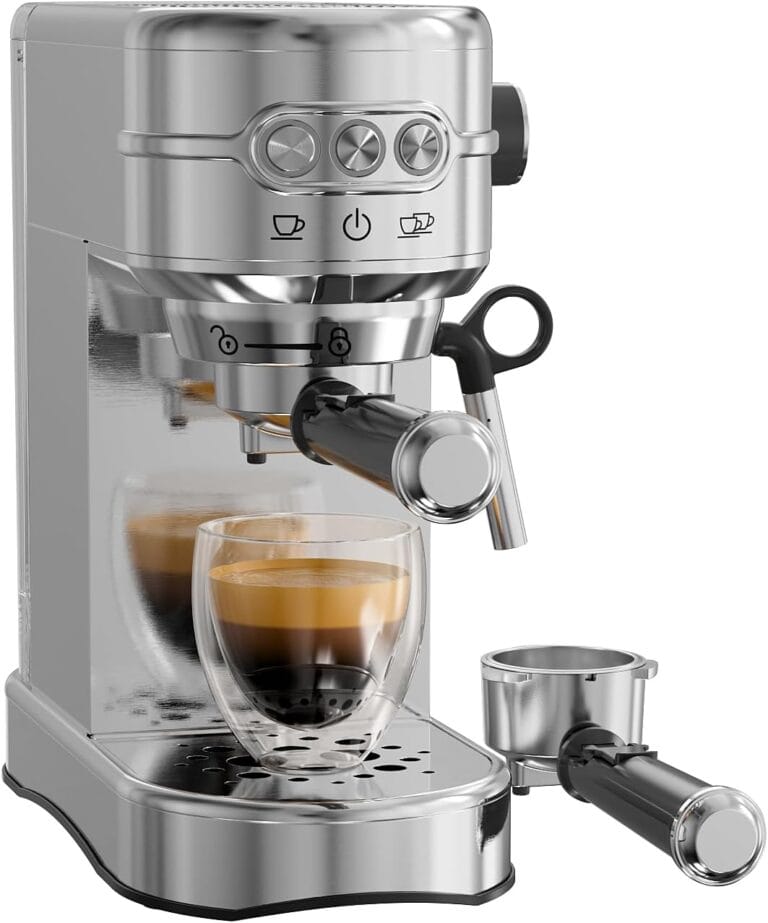
When faced with the temporary shutdown of their favourite coffee shops during the pandemic, many consumers worldwide assumed the role of home barista. But today, the booming prosumer market isn’t fuelled by necessity but by the growing interest in making espresso drinks at home.
However, not all prosumers are experts in one essential task: cleaning home espresso machines. “One of the biggest mistakes home baristas make is skipping regular cleaning, often because the machine isn’t used as frequently as it would in a café,” says Jason Bond, general manager at Cafetto.
“Without regular maintenance, espresso quality degrades well before any obvious mechanical problems appear, undermining both coffee flavour and the value of the machine.”
But even if home baristas clean their machines consistently and thoroughly, the correct dosing of cleaning products also matters. Use too little, and coffee oils, mineral deposits, and bacterial residue accumulate inside the group head, boiler, and internal pipework. Use too much, and you risk leaving chemical residue in components that come into direct contact with your water and coffee, which carries its own health implications.
You may also like our article on how competitions raised standards for coffee equipment maintenance.

The era of home espresso
As coffee shop prices continue to rise, more people are drinking coffee at home. According to the latest 2026 National Coffee Data Trends report, coffee remains the US’ favourite beverage, and 82% of past-day drinkers prepare coffee at home.
“While home equipment can be expensive upfront, it’s an investment that ultimately lowers long-term spending on coffee,” says Nicholas Campana, the UK and Europe Sales Manager at Cafetto.
Additionally, the same report finds that past-week consumption of espresso-based beverages in the US has increased from 40% in 2022 to 45% now. Latte consumption increased from 17% to 21%, while espresso consumption rose from 16% to 20% – indicating a shift away from the country’s traditional filter coffee habits.
“With more remote and hybrid work, people can make coffee when they want, exactly how they want it,” Nicholas says. “Making espresso at home lets people control every detail – bean choice, grind size, milk type, brew ratio, and flavour profile.”
Increasingly, prosumers are buying advanced home espresso machines on par with their commercial-grade counterparts. “Espresso-making has become a hobby and a craft,” Nicholas adds. “Social media, YouTube, and specialty coffee communities have popularised home brewing as a skill to learn and enjoy.”
Machines are expensive investments, and regular cleaning and maintenance keep them in excellent condition for years to come. Without proper cleaning, flavour and quality are quickly compromised – and the return on investment is lost.


Why home baristas need to clean their machines
Poor machine maintenance starts affecting espresso instantly. In a matter of days, build-ups of coffee oils will cause uneven extraction and bitter, stale, or dull-tasting shots. Rancid coffee oils and milk also pose a health risk that cannot be ignored.
Over weeks, infrequent cleaning leads to inconsistent water flow and pressure. After many months, scale buildup affects temperature stability and extraction.
In addition to not cleaning domestic machines frequently enough, Nicholas outlines common cleaning mistakes made by home baristas:
- Ignoring key parts: Shower screens, portafilters, steam wands, and grinders are often overlooked, even though they directly affect taste, temperature stability, and hygiene.
- Skipping or incorrectly descaling: Mineral buildup harms heat transfer and pressure accuracy and can shorten the machine’s life.
- Using the wrong cleaning products or incorrect dosage: Using unsuitable cleaners, or using too much or too little product, can lead to inconsistent and ineffective results.
“Too little cleaner won’t remove oils properly; too much can leave chemical residue, damage seals, or cause off-flavours,” Nicholas says. “Moreover, using too much wastes product and money.”
Using the correct dose
Consistent cleaning with the right dosage of cleaning product ensures coffee tastes its best and home espresso machines perform reliably for years. To simplify cleaning and remove the guesswork for home baristas, Cafetto developed tablets and sachets in pre-measured portions specifically for domestic machines.
“Customers were asking for a tailored solution,” Jason explains. “Portion-controlled tablets and sachets remove guesswork for any level of machine proficiency, ensuring consistent results and protecting the machine while reducing waste.”
Frequently, home baristas use too much cleaning product and skip back-flush cycles, Jason explains. This is not only cost-inefficient but can also leave residue behind or damage sensitive machine components.
Each Cafetto tablet or sachet delivers the precise dose needed to remove coffee oils, residue, and mineral build-up that can quickly accumulate inside the machine. This protects critical components such as the group head or portafilter, maintains optimal pressure and temperature stability, and ensures consistent extraction.
“Portion control bridges the gap between convenience, machine longevity, and a true barista-quality experience at home,” Jason says.

Best practices for cleaning home espresso machines
Nicholas explains that effective home espresso machine cleaning practices should be divided into separate routines:
Daily (after each session)
- Flush the group head: Run water for 2-3 seconds to clear loose grounds and oils.
- Clean the portafilter and basket: Knock out the puck, rinse with hot water, and wipe dry. Don’t leave used coffee sitting in the basket.
- Purge and wipe the steam wand: Purge steam immediately after use, then wipe with a damp cloth to prevent milk buildup.
End of day
- Rinse the drip tray and water tank: Empty, rinse, and refill with fresh water to prevent odours and bacterial growth.
Weekly (or per manufacturer guidance)
- Backflush the machine with water: Insert a blind basket and run several short on/off cycles to rinse the group head.
- Backflush the machine with the correct dose of cleaner: Use a properly dosed cleaning tablet or measured powder.
As home espresso machines become more advanced, home baristas and prosumers need cleaning products that evolve alongside their equipment.
Cafetto’s portion control tablets are specifically designed to deliver a consistent, exact dose every time. This provides reliable cleaning performance, reduced waste, and confidence that a machine is cleaned effectively.
“For home espresso machines, we recommend using products from the Cafetto Home Range, which are specifically formulated for domestic machines and their unique brewing cycles and internal components,” Jason says.

Choosing cleaning products for home espresso machines
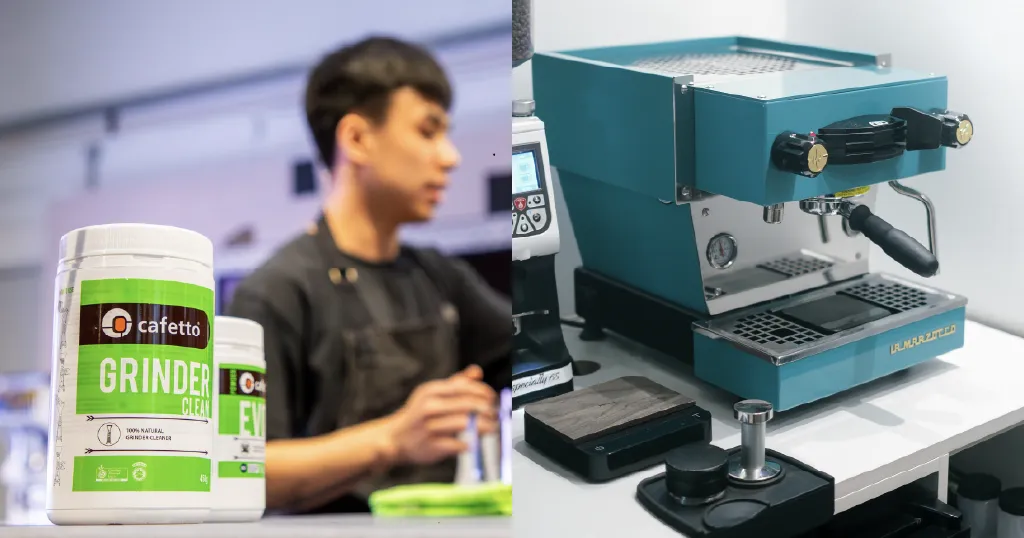
Each product in the Cafetto Home Range is designed for different stages of the cleaning process. For example, Cafetto EVO® and TEVO® Mini Cleaning Tablets are for groupheads; Renew Descaling Sachets and Organic Liquid Descaler for descaling; MFC ® Powder ECO for milk systems and steam wands; and Grinder Clean to remove built-up oil and residue in grinder chambers.
Cafetto cleaning tablets also fully dissolve during the cleaning cycle, ensuring effective contact with internal components without leaving residue. Cafetto offers different formats across the range to suit different home machines – from bean-to-cup systems to capsule machines and prosumer models – engineered for smaller volumes and specific requirements of domestic equipment.
“This delivers the same level of cleaning performance, flavour clarity, and machine protection, but in a format tailored for the home barista,” Jason says.

Home espresso machines are a significant investment, and their performance depends on how well they’re maintained. The most common mistakes often come from a lack of awareness: skipping cleaning sessions, overlooking key components, and misjudging how much cleaning product to use.
Correct dosing for home espresso machine cleaners protects the machine’s internal components, maintains consistent extraction, and ensures every shot tastes as good as it should.
Enjoyed this? Then read our article on how to deep clean coffee shop equipment.
Photo credits: Cafetto
Perfect Daily Grind
Please note: Cafetto is a sponsor of Perfect Daily Grind.
Want to read more articles like this? Sign up for our newsletter!
Source link