
Empower Yourself: The Road to Sustainable Weight Loss Starts Here
Introduction
Weight loss is a journey that many people embark on at some point in their lives. Whether it’s for health reasons, aesthetic purposes, or to improve overall well-being, losing weight can be a challenging but rewarding process. However, with so many fad diets, weight loss pills, and quick-fix solutions out there, it’s easy to get lost in the sea of misinformation and unrealistic promises. That’s why it’s important to empower yourself with knowledge and tools to achieve sustainable weight loss that lasts a lifetime.
In this article, we will explore the road to sustainable weight loss and provide you with practical tips, strategies, and resources to empower yourself on your weight loss journey. From setting realistic goals to adopting healthy habits, we will guide you through the steps to achieve long-lasting results. So, let’s get started on the path to a healthier, happier you.
Setting Realistic Goals
The first step in any weight loss journey is to set realistic and achievable goals. It’s important to have a clear understanding of what you want to achieve and how you will get there. While it’s tempting to set ambitious goals, such as losing 20 pounds in a month, it’s essential to be realistic and patient with yourself. Weight loss is a gradual process that requires time, effort, and consistency. By setting small, achievable goals, you can build momentum and stay motivated throughout your journey.
Here are some tips for setting realistic weight loss goals:
– Start by determining your ideal weight and body mass index (BMI) based on your height, age, and gender.
– Set a realistic timeline for achieving your goals, such as losing 1-2 pounds per week.
– Break down your goals into smaller, manageable steps, such as exercising 30 minutes a day or reducing your daily calorie intake by 500 calories.
– Keep track of your progress by measuring your weight, body measurements, and fitness level regularly.
– Celebrate your successes along the way and be kind to yourself when faced with setbacks.
By setting realistic goals and staying committed to your weight loss journey, you can achieve sustainable results that last a lifetime.
Adopting Healthy Habits
In addition to setting realistic goals, adopting healthy habits is essential for sustainable weight loss. Healthy habits not only help you lose weight but also improve your overall well-being and quality of life. By making small, positive changes to your lifestyle, you can create a foundation for long-term success in managing your weight and achieving optimal health.
Here are some healthy habits to adopt for sustainable weight loss:
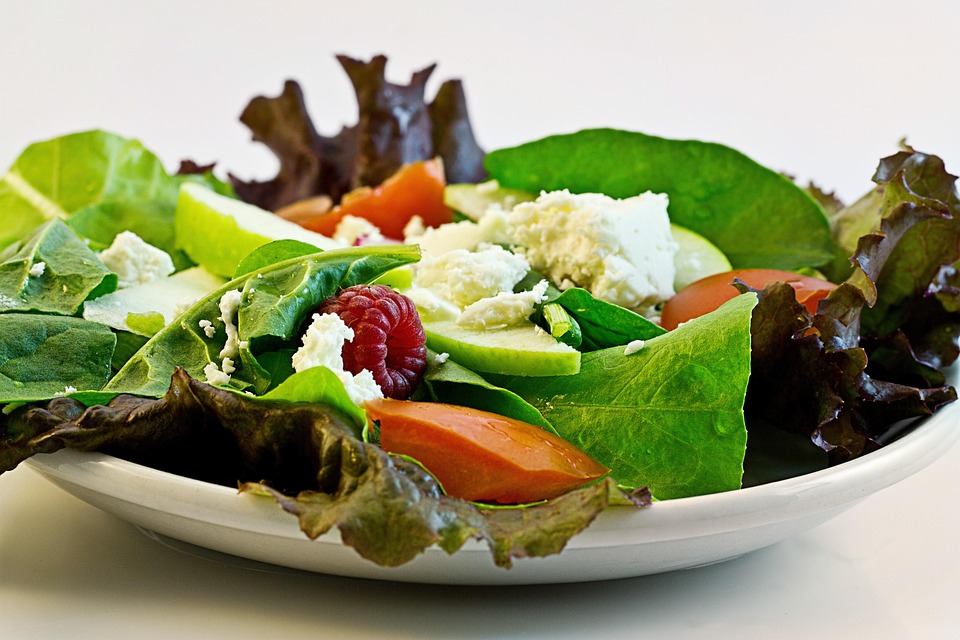
– Eat a balanced diet rich in fruits, vegetables, whole grains, lean proteins, and healthy fats.
– Avoid processed foods, sugary drinks, and high-calorie snacks that can contribute to weight gain.
– Practice mindful eating by listening to your body’s hunger and fullness cues, and eating slowly and mindfully.
– Stay hydrated by drinking plenty of water throughout the day to support digestion, metabolism, and overall health.
– Get regular exercise by incorporating a mix of cardiovascular, strength training, and flexibility exercises into your routine.
– Prioritize sleep by getting 7-9 hours of quality sleep each night to support weight loss, energy levels, and mood.
– Manage stress by practicing relaxation techniques, such as deep breathing, meditation, yoga, or spending time in nature.
– Seek support from friends, family, or a healthcare provider to stay motivated and accountable on your weight loss journey.
By adopting healthy habits and making positive changes to your lifestyle, you can create a sustainable foundation for achieving your weight loss goals and maintaining a healthy weight long-term.
Resources for Sustainable Weight Loss
In addition to setting realistic goals and adopting healthy habits, there are many resources available to support you on your weight loss journey. From online tools and apps to professional guidance and support groups, there are a variety of resources that can help you achieve sustainable weight loss and improve your overall well-being.
Here are some resources for sustainable weight loss:
– Online calorie trackers and meal planning apps, such as MyFitnessPal, Lose It!, or SparkPeople, can help you track your food intake, exercise, and progress towards your weight loss goals.
– Fitness apps, such as Nike Training Club, Fitbit, or Strava, can provide workout plans, exercise videos, and motivation to help you stay active and fit.
– Weight loss programs, such as Weight Watchers, Jenny Craig, or Nutrisystem, offer personalized meal plans, coaching, and support to help you achieve your weight loss goals.
– Healthcare providers, such as doctors, dietitians, or personal trainers, can provide professional guidance, support, and accountability on your weight loss journey.
– Support groups, such as Weight Loss Challenge groups, online forums, or social media communities, can offer encouragement, motivation, and camaraderie with others who are on a similar weight loss journey.
By utilizing these resources and finding the support that works best for you, you can empower yourself to achieve sustainable weight loss and improve your overall health and well-being.
FAQs (Frequently Asked Questions)
Q: How can I stay motivated on my weight loss journey?
A: Staying motivated on your weight loss journey can be challenging, but it’s essential to stay focused on your goals and celebrate your successes along the way. Set small, achievable goals, track your progress, reward yourself for your efforts, and seek support from friends, family, or a healthcare provider to stay motivated and accountable.
Q: What is the best diet for weight loss?
A: There is no one-size-fits-all diet for weight loss, as everyone’s body is unique and may respond differently to various dietary approaches. However, a balanced diet rich in fruits, vegetables, whole grains, lean proteins, and healthy fats is generally recommended for sustainable weight loss. It’s important to consult with a healthcare provider or registered dietitian to create a personalized meal plan that meets your individual needs and goals.
Q: How much exercise do I need to lose weight?
A: The amount of exercise needed to lose weight varies depending on your goals, fitness level, and overall health. The American College of Sports Medicine recommends at least 150 minutes of moderate-intensity aerobic exercise per week, plus two days of strength training exercises. It’s important to find activities that you enjoy and can incorporate into your daily routine to stay active and fit.
Q: What should I do if I hit a weight loss plateau?
A: Weight loss plateaus are common on any weight loss journey and can be frustrating, but they are a natural part of the process. If you hit a plateau, try changing up your exercise routine, adjusting your calorie intake, or seeking guidance from a healthcare provider or personal trainer to help you break through the plateau and continue making progress towards your goals.
Conclusion
Empowering yourself on your weight loss journey is essential for achieving sustainable results that last a lifetime. By setting realistic goals, adopting healthy habits, and utilizing resources and support, you can create a solid foundation for long-term success in managing your weight and improving your overall well-being. Remember to be patient, kind to yourself, and stay committed to your goals, as sustainable weight loss is a journey that requires time, effort, and dedication. With the right tools and mindset, you can empower yourself to achieve your weight loss goals and live a healthier, happier life.