Coffee pulp, husk, silverskin and spent grounds usually end up as compost or waste. A new paper argues they could end up doing something more valuable — both economically and environmentally — as stuff that can replace plastic in food packaging films.
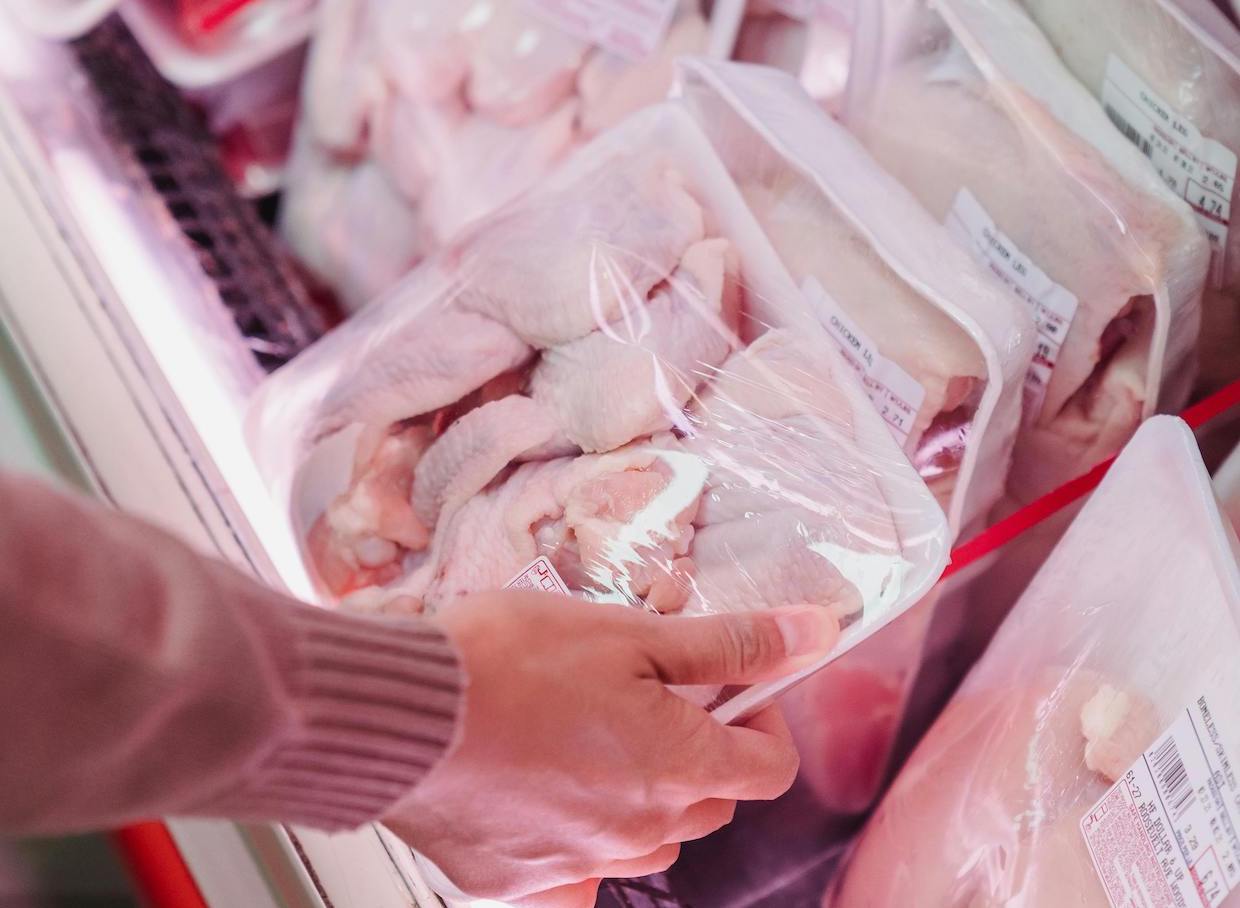
A new article in Frontiers in Sustainable Food Systems argues that common coffee byproducts can be used as fillers or bioactive additives in bio-based and edible films (i.e. “plastic wrap”), improving strength, barrier performance and food-preservation functions.
Led by Ata Aditya Wardana of Bina Nusantara University in Jakarta, Indonesia, with co-authors from Indonesia’s Coffee and Cocoa Research Institute (ICCRI) at Jember and Kyushu University, the paper promotes the idea as part of a circular economy.

“Coffee byproducts offer a promising, cost-effective and environmentally sustainable alternative for improving the functional and ecological performance of bio/edible films,” the paper states. “These agro-industrial residues exhibit a richness in biofunctional compounds such as polyphenols, caffeine and dietary fibers, which contribute significant antioxidant, antimicrobial and UV-barrier properties, making them ideal candidates for applications in active food packaging.”
What the Paper Is Advocating
The paper involved a sweeping analysis of existing academic literature on the potential of using coffee byproducts as raw material to formulate packaging films.
The core claim is that adding coffee-derived fibers and lignin can make films tougher and more stable, while coffee-derived extracts and compounds can add functional performance — including UV protection and antimicrobial and antioxidant activity — that may improve the shelf life of packaged food.
Standardization and Sensory Risk
The study follows a broader movement in the food packaging world to find robust alternatives that reduce reliance on conventional plastics.
The authors noted multiple issues that are holding the practical application of such bio-based solutions back, including a lack of standardized experimental protocols across studies, making performance claims difficult to compare.
Additionally, they noted that coffee-derived coatings in direct contact with foods may raise sensory concerns, while calling for additional testing.
“The practical application of coffee by-product-based coatings on real food systems should be explored, along with thorough toxicological and sensory evaluations,” the authors wrote.
The authors report funding support from the Research and Technology Transfer Office at Bina Nusantara University and declared no conflicts of interest.
Comments? Questions? News to share? Contact DCN’s editors here. For all the latest coffee industry news, subscribe to the DCN newsletter.

Source link