Researchers in Spain have discovered an effective way to upcycle spent coffee grounds as fertilizers in cucumber greenhouses, creating a circular “cup-to-crop” connection.
A University of Granada team found that tailored formulations of coffee grounds can improve the taste of commercially grown cucumbers while “biofortifying” them with essential minerals and keeping toxic metals in check.
The coffee-derived fertilizer was presented as an alternative to synthetic fertilizers. The paper addresses a common roadblock in food-waste-to-fertilizer ideas: unwanted metals.
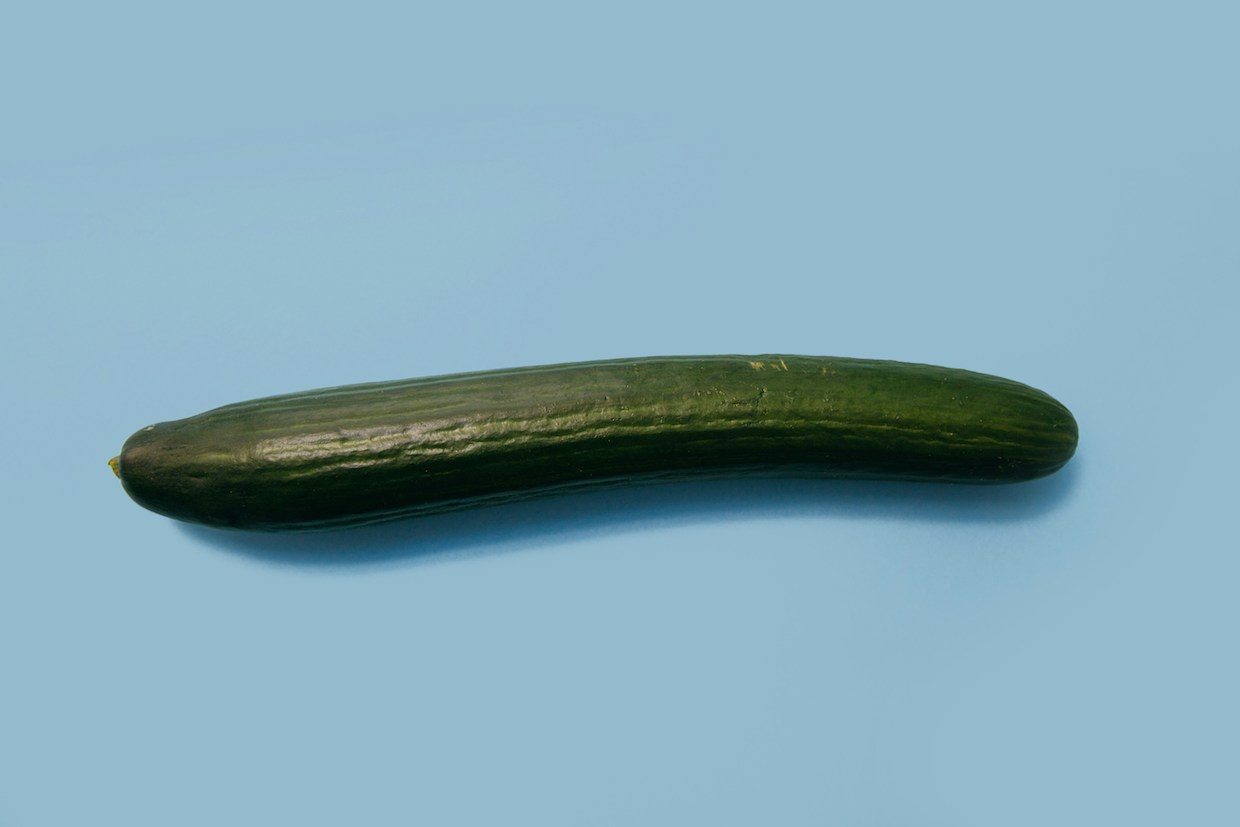
Published in September in the journal Chemosphere, the study used a low-cost process to transform coffee grounds into fertilizer pucks applied to Dutch-type cucumbers — also known as “English” cucumbers — the kind often sold individually plastic-wrapped and cultivated for high-volume greenhouse production.

The pre-engineering, or “tailoring,” of the spent-grounds formulations was designed to ensure consistency from crop to crop, since the chemical composition of grounds can vary widely by coffee cultivar, roast level and other factors.
The process created what are known as “bio-chelates,” a more sustainable alternative to synthetic chelates, which are used in agriculture to supply and stabilize essential micronutrients like iron, zinc, manganese, and copper.
In trials, the coffee-fueled inputs nudged iron and zinc upward in the edible fruit, while cadmium, mercury and arsenic stayed below risk thresholds. Lead remained controlled.
“This advancement not only allows for more nutritious and safer crops, but also promotes the reuse of a massive waste product, reducing its environmental impact and dependence on commercial fertilizers,” the researchers said in an announcement of the study.
Comments? Questions? News to share? Contact DCN’s editors here. For all the latest coffee industry news, subscribe to the DCN newsletter.
Related Posts



Source link