Key takeaways
- Surging global demand for matcha has strained traditional Japanese supply chains.
- Hojicha offers a nutty-flavoured, low caffeine alternative.
- Modern matcha focuses on aesthetics while hojicha emphasises comfort and familiarity.
- Specialty coffee shops should prioritise transparency and quality when sourcing both.
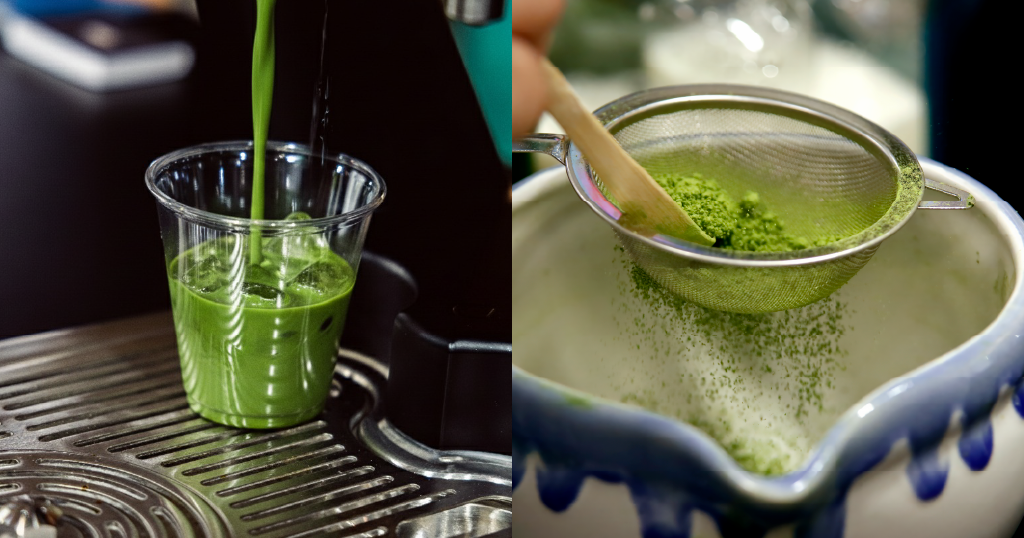
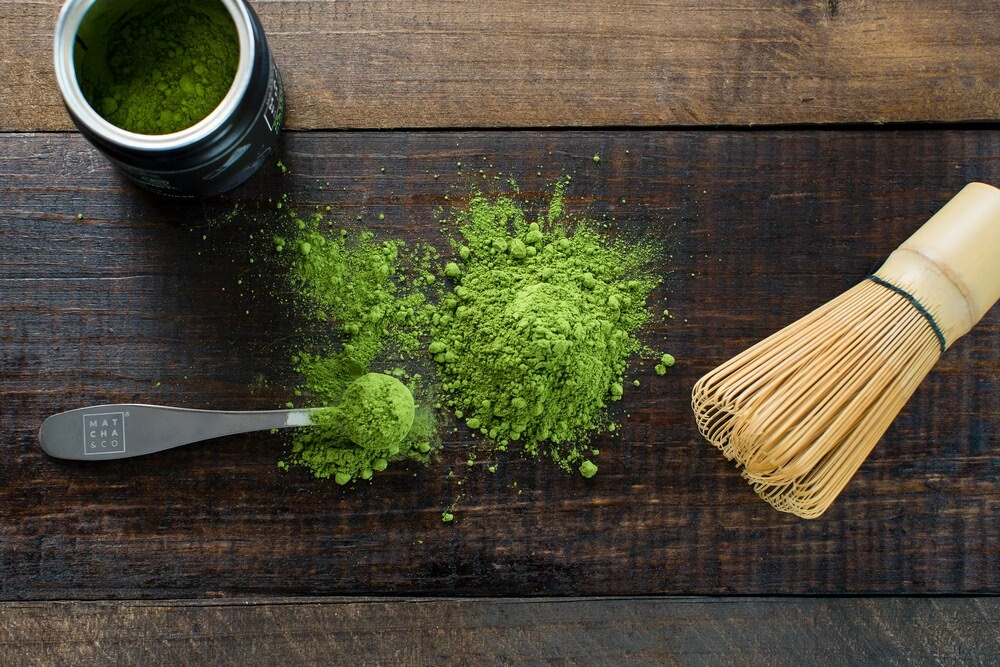
Matcha is everywhere. The vivid green powder, once associated almost entirely with Japanese tea ceremonies, now has a loyal global following, especially among Gen Z. Its bright colour photographs well and its purported health benefits appeal to wellness-minded consumers. Matcha’s growth has been, by any measure, remarkable in scale.
But now, supply is struggling to keep up. Japan, widely considered the world’s leading producer of high-quality matcha, tripled its production between 2010 and 2023, but record-breaking heatwaves have hindered harvests.
True matcha production is also a slow and skilled process; the leaves, called tencha, must be shade-grown before harvest, then stone-milled in small batches. Scaling this kind of production to meet global demand that has grown faster than most in the industry anticipated is almost impossible. Quality in some segments of the market is therefore slipping as buyers prioritise volume over authenticity.
“We have seen demand from overseas grow faster in the last five years than in the previous thirty,” says Aki Osawa, a third-generation tea exporter in Kyoto, Japan. “This is exciting for Japanese tea culture, but it also puts enormous pressure on producers who are trying to maintain standards that took generations to develop.”
Against this backdrop, another Japanese tea has been gaining traction: hojicha. Roasted, low in caffeine, and defined by warm, nutty flavours rather than grassy intensity, it’s emerging as a more palatable, familiar, and sustainable alternative to matcha.
You may also like our article on whether matcha has become the new espresso.

Hojicha vs. matcha: Different teas, different roles
Matcha and hojicha are both made from green tea leaves, but their production methods and sensory profiles differ significantly. Intensity often defines matcha: rich, grassy, umami flavours, vivid green colour, and high caffeine levels.
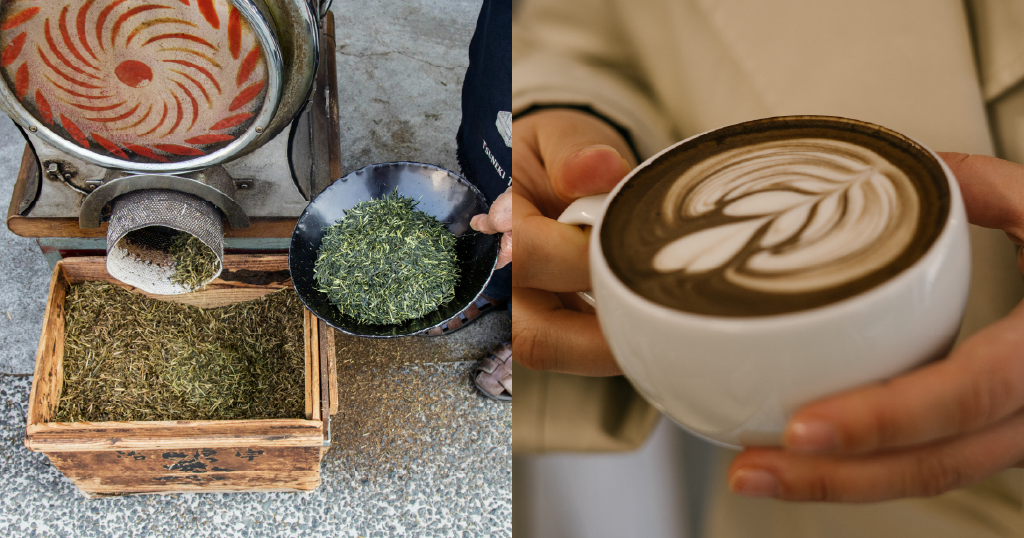
To produce hojicha, green tea leaves, typically bancha (late harvest leaves) or sencha, are roasted at high temperatures. Traditionally, the tea is roasted in a porcelain pot over charcoal at around 150°C (302°F) to produce a light golden colour.
This process removes much of the caffeine and completely alters the flavour profile. The result is a tea with caramelised, nutty, sweet, and faintly smoky flavour notes, with none of the grassy or bitter flavours we associate with green tea and matcha.
Many people describe hojicha as comforting rather than energising, preferring to drink it in the evenings.
“Hojicha has always been a tea for everyday life in Japan, which is why it’s finding a broader audience now,” says Aki. “We drink it during or after dinner, or serve it to children and elderly relatives. Unlike matcha, hojicha isn’t strictly a ceremonial tea, but it is used in some Japanese Buddhist practices as an offering to ancestors.”
Accessibility is central to hojicha’s appeal. Consumers drawn to matcha for its vibrant colour, but deterred by its flavour intensity, often find hojicha a more palatable entry point.


Will hojicha reach matcha’s level of popularity?
While it may not have the same vivid green hue as matcha, hojicha’s sweet, nutty flavour profile could be a more palatable alternative. In Western markets, hojicha is often served as iced or hot lattes, allowing consumers to customise their beverages with flavourings, syrups, and cold foam.
However, comparing the cultural trajectory of hojicha to the global dominance of matcha may be misguided. The two teas serve different consumer segments; matcha relies on aspirational narratives and a vivid green aesthetic, both well-suited to social media, and on its caffeine boost without the associated crash.
In contrast, hojicha attracts consumers in more subtle ways. People discover it in a café or a Japanese restaurant with no visual spectacle or caffeine-driven utility.
“I don’t think hojicha will become what matcha is; it’s not the right ambition for it,” says Aki. “What I hope is that Western consumers come to understand hojicha the way Japanese people do: as something that is simply always there for comfort.”
For specialty coffee shops navigating a tightening supply of high-quality matcha, hojicha is not a replacement, but an addition. For consumers who find matcha’s intensity too strong, hojicha offers a more familiar alternative.
“The shortage of matcha is difficult for the entire supply chain,” Aki says. “But if it encourages people to look more carefully at the full breadth of Japanese tea, then something good will have come from it. Hojicha deserves to be known on its own terms, not as the next matcha.”

What to look for when sourcing hojicha and matcha
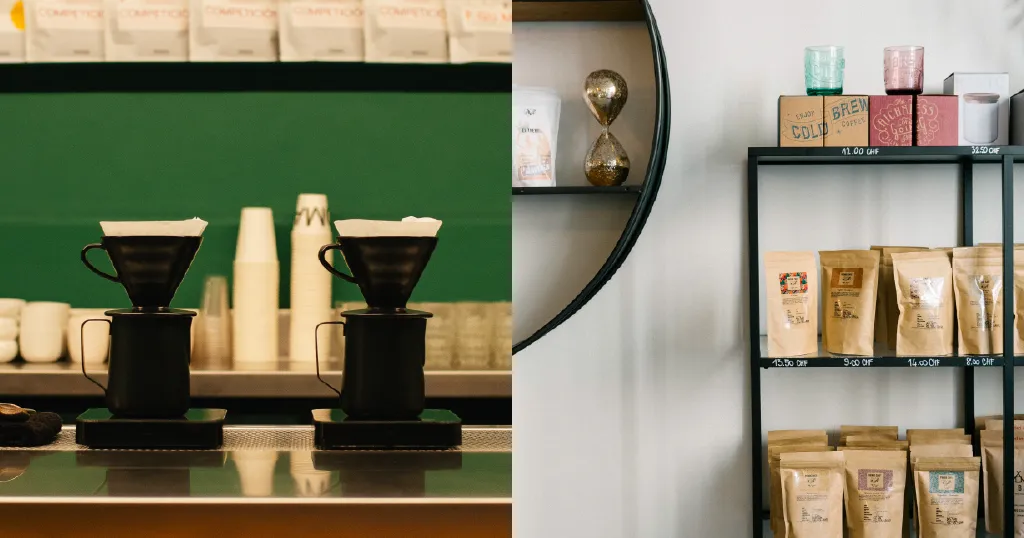
Overlooking the addition of matcha and hojicha on menus is a mistake for many coffee shop owners today. In May 2025, Black Sheep Coffee reported a 227% year-on-year surge in iced beverage sales following the addition of matcha lattes and lemonades. Blank Street also rebranded around matcha last year, dropping “Coffee” from its name, dialling back its colour scheme to a matcha-latte hue, and focusing more on the diversity of its non-coffee offerings.
For matcha, the signals to look for include harvest timing, cultivar transparency, and colour and aroma. A dull, yellowish-green powder, for instance, is a signal of lower quality and flavour. Terms like “ceremonial grade” and “culinary grade” can also be misleading, as Japan doesn’t recognise these quality standards. Instead, matcha is graded by the time of year it’s harvested, as well as its colour, smell, cultivar or blend, and flavour.
With hojicha, the leaf material matters: stem-heavy hojicha tastes different from leaf-based products. Roast level is critical; too light and the tea retains grassiness, too dark and it tastes ashy. Freshness is also more time-sensitive than many buyers realise, as roasted teas age faster than steamed teas. If a café uses hojicha powder, a coarse, bitter-tasting powder is a sign of poor processing.
“One thing I tell every café buyer who contacts us is ask questions,” says Aki. “Ask where the leaves come from, when they were harvested, how they were processed, and who made them. If a supplier can’t answer those questions, that tells you what you need to know.”
Hojicha recipes
To prepare a light roast hojicha tea, add 8g of leaves to a teapot or infuser. Pour 240ml of water, heated to 80°C (175°F), over the hojicha in a circular motion. The leaves should steep for 30 seconds.
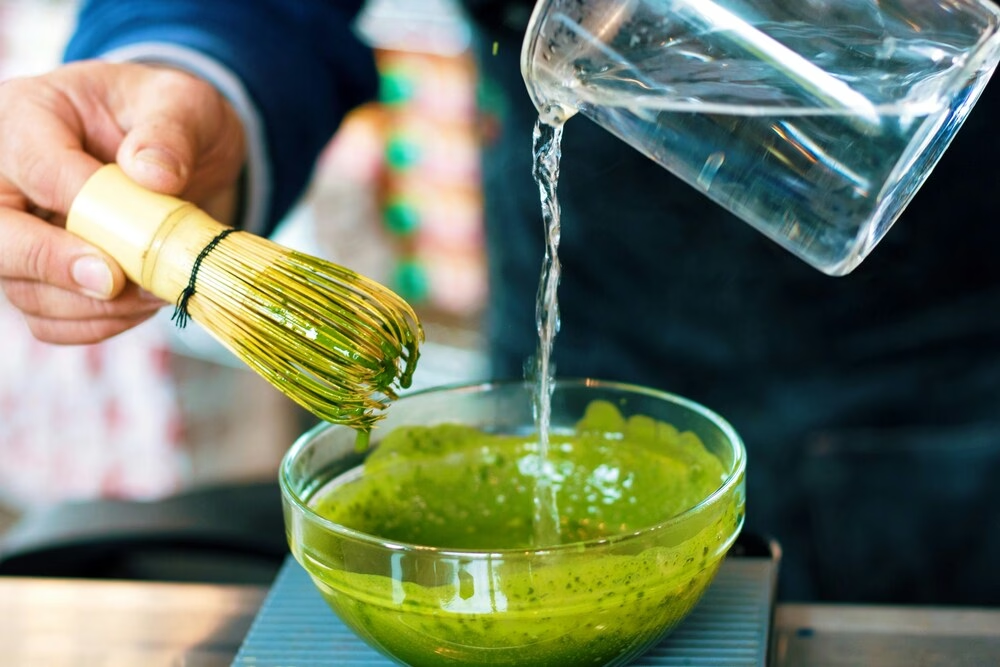
When using hojicha powder, whisk one teaspoon into 60ml of 80°C (175°F) water, adding sweetener if desired. To serve as a latte, baristas can pair it with approximately 200ml of steamed milk.

Shortages of Japanese matcha indicate that tradition and craft have limits. Hojicha offers an alternative path forward, one rooted in approachability and sustainability.
While matcha often conveys intensity and aspiration, hojicha represents comfort and accessibility. Ultimately, there is room for both in cafés, and perhaps this balance is what’s needed.
Enjoyed this? Then read our article on whether matcha is losing its cultural identity.
Perfect Daily Grind
Want to read more articles like this? Sign up for our newsletter!
Source link