From Crash Diets to Lasting Results: The Power of Sustainable Weight Loss
Introduction
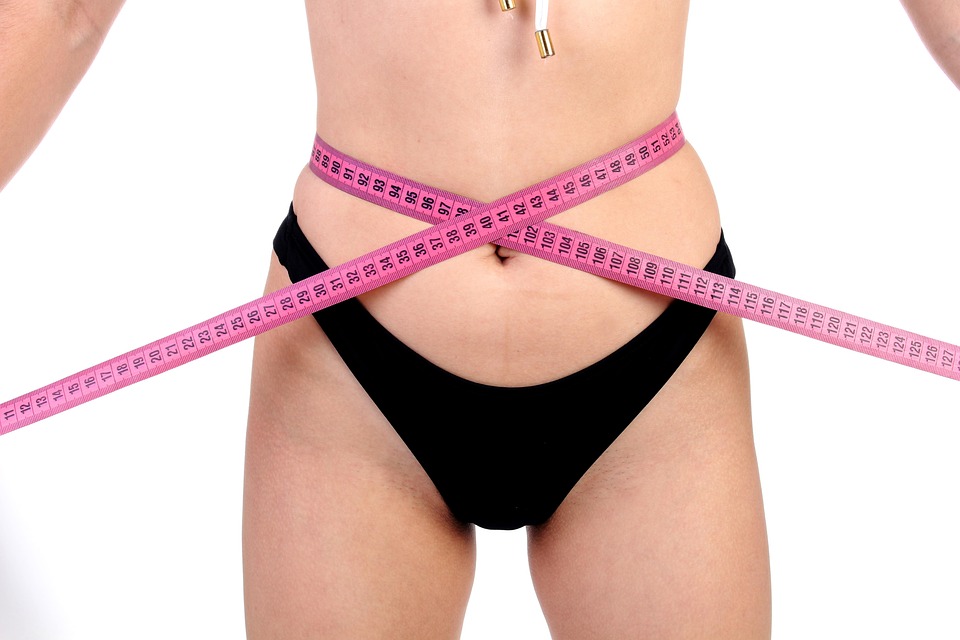
In a world obsessed with quick fixes and instant gratification, it’s no wonder that crash diets have become so popular. From the Master Cleanse to the Atkins Diet to the Cabbage Soup Diet, there seems to be a new fad diet popping up every week promising rapid weight loss with minimal effort. However, while crash diets may help you shed a few pounds in the short term, they are not sustainable in the long run and can actually be harmful to your health. In this article, we will explore the power of sustainable weight loss and how you can achieve lasting results without resorting to extreme measures.
The Problem with Crash Diets
Crash diets are often based on extreme restrictions in calories, food groups, or both. They promise rapid weight loss by putting your body into a state of starvation, forcing it to burn stored fat for energy. While this may result in quick weight loss, it is not a healthy or sustainable way to lose weight. In fact, crash diets can have a number of negative effects on your body, including:
1. Metabolic slowdown: When you drastically reduce your caloric intake, your body goes into survival mode and slows down your metabolism to conserve energy. This can make it harder to lose weight in the long run and can lead to weight gain once you resume normal eating habits.
2. Muscle loss: Crash diets often result in the loss of muscle mass, which can have a negative impact on your metabolism and overall health. Muscle is metabolically active tissue, meaning that it burns more calories at rest than fat does. When you lose muscle, your metabolism slows down, making it harder to maintain weight loss.
3. Nutrient deficiencies: Crash diets are often lacking in essential nutrients, such as vitamins, minerals, and fiber. This can lead to a host of health problems, including fatigue, weakness, and impaired immune function. In the long run, nutrient deficiencies can increase your risk of developing chronic diseases like heart disease, diabetes, and cancer.
4. Mental health issues: Crash diets can also have a negative impact on your mental health, leading to feelings of deprivation, guilt, and shame. This can create a vicious cycle of binge eating and emotional eating, making it even harder to lose weight in a healthy way.
The Power of Sustainable Weight Loss
So, if crash diets are not the answer, what is? The key to sustainable weight loss lies in making small, gradual changes to your lifestyle that you can maintain in the long term. This means focusing on healthy eating habits, regular physical activity, and a positive mindset. Here are some tips for achieving lasting results:
1. Set realistic goals: Instead of aiming for rapid weight loss, set realistic goals that you can achieve over time. Aim to lose 1-2 pounds per week, which is a safe and sustainable rate of weight loss. Remember, slow and steady wins the race!
2. Focus on whole foods: Instead of following a restrictive diet that eliminates entire food groups, focus on eating a variety of whole foods, such as fruits, vegetables, whole grains, lean proteins, and healthy fats. These foods are nutrient-dense and will keep you feeling full and satisfied.
3. Stay active: Regular physical activity is key to maintaining a healthy weight and overall well-being. Aim for at least 150 minutes of moderate-intensity exercise per week, such as brisk walking, cycling, or swimming. Find activities that you enjoy and make them a regular part of your routine.
4. Practice mindful eating: Pay attention to your hunger and fullness cues, and eat when you are hungry and stop when you are satisfied. Avoid eating in front of the TV or computer, as this can lead to mindless eating and overeating. Slow down and savor your meals, paying attention to the flavors and textures of the food.
5. Get enough sleep: Lack of sleep can disrupt your hunger hormones, leading to increased cravings and weight gain. Aim for 7-9 hours of quality sleep per night to support your weight loss efforts. Create a relaxing bedtime routine and avoid stimulants like caffeine and electronics before bed.
6. Manage stress: Stress can trigger emotional eating and sabotage your weight loss goals. Find healthy ways to cope with stress, such as exercise, meditation, deep breathing, or spending time with loved ones. Practice self-care and prioritize your mental and emotional well-being.
7. Seek support: Losing weight can be challenging, but you don’t have to do it alone. Seek support from friends, family, or a professional, such as a registered dietitian or therapist. Join a support group or online community for accountability and encouragement.
By making these small changes to your lifestyle, you can achieve sustainable weight loss and maintain a healthy weight for life. Remember, it’s not about perfection, but progress. Celebrate your successes and learn from your setbacks, and you will be on your way to a healthier, happier you.
FAQs
Q: How much weight can I expect to lose on a sustainable weight loss plan?
A: The amount of weight you can expect to lose on a sustainable weight loss plan will vary depending on your starting weight, age, gender, metabolism, and activity level. A safe and sustainable rate of weight loss is 1-2 pounds per week, so you can expect to lose 4-8 pounds per month on average.
Q: Is it possible to lose weight without exercising?
A: While regular physical activity is important for overall health and well-being, it is possible to lose weight without exercising. However, exercise can help you burn more calories, build muscle, and improve your metabolism, making it easier to achieve and maintain weight loss. If you are unable to exercise due to physical limitations, focus on creating a calorie deficit through diet and lifestyle changes.
Q: How do I know if a diet is sustainable?
A: A sustainable diet is one that you can maintain in the long term without feeling deprived or restricted. It should include a variety of foods that you enjoy, provide all the essential nutrients your body needs, and support your weight loss goals. Avoid diets that eliminate entire food groups, promote rapid weight loss, or require you to follow strict rules or guidelines.
Q: What are some healthy snacks I can eat to support my weight loss goals?
A: Some healthy snacks that can support your weight loss goals include fruits, vegetables, nuts, seeds, whole grain crackers, Greek yogurt, hummus, and air-popped popcorn. Choose snacks that are high in fiber, protein, and healthy fats to keep you feeling full and satisfied between meals.
Q: How can I maintain my weight loss once I reach my goal weight?
A: Once you reach your goal weight, it’s important to continue practicing healthy eating habits and regular physical activity to maintain your weight loss. Focus on portion control, mindful eating, and staying active to prevent weight regain. Remember, weight maintenance is a lifelong journey, so stay committed to your health and well-being.