From Farm to Fork: The Connection Between Organic Eating and Weight Loss
In recent years, there has been a growing interest in organic eating as a way to improve overall health and well-being. Many people believe that choosing organic foods can lead to weight loss and better overall health. But is there really a connection between organic eating and weight loss? In this article, we will explore the relationship between organic eating and weight loss, and discuss how choosing organic foods can be beneficial for those looking to shed some extra pounds.
What is Organic Eating?
Organic eating refers to the practice of consuming foods that are grown and produced without the use of synthetic pesticides, fertilizers, or genetically modified organisms (GMOs). Organic farming practices focus on sustainability, soil health, and the well-being of animals. Organic foods are free from harmful chemicals and additives, making them a healthier choice for both people and the environment.
Organic foods are typically grown using natural methods such as crop rotation, composting, and biological pest control. Organic farming practices also promote biodiversity and support the health of local ecosystems. By choosing organic foods, consumers can reduce their exposure to harmful chemicals and support sustainable agriculture practices.
The Connection Between Organic Eating and Weight Loss
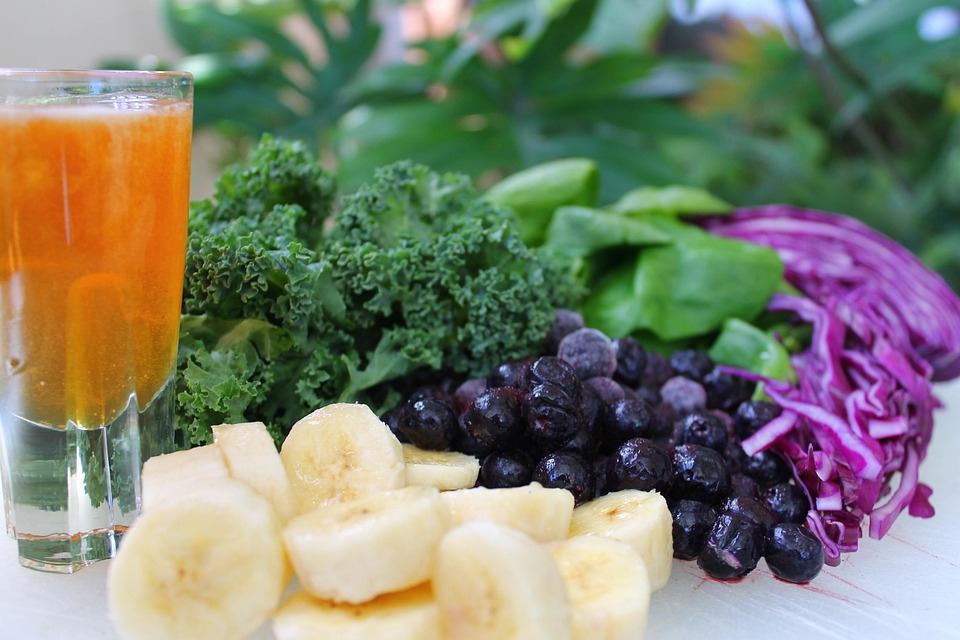
Many people believe that choosing organic foods can help with weight loss for several reasons. First, organic foods are generally more nutrient-dense than conventionally grown foods. Organic fruits and vegetables are often higher in vitamins, minerals, and antioxidants, which can help support overall health and weight loss efforts.
Additionally, organic foods are typically lower in pesticides and other harmful chemicals that can disrupt the body’s natural processes and contribute to weight gain. Studies have shown that exposure to pesticides can disrupt hormone levels, metabolism, and appetite regulation, leading to weight gain and other health issues.
Furthermore, organic foods are often free from added sugars, preservatives, and artificial ingredients that can contribute to weight gain and obesity. By choosing organic foods, consumers can reduce their intake of empty calories and unhealthy fats, making it easier to maintain a healthy weight.
Organic foods are also more likely to be produced using sustainable farming practices that promote soil health, biodiversity, and animal welfare. By supporting organic farming practices, consumers can help protect the environment and promote a more sustainable food system for future generations.
In addition to these health and environmental benefits, some studies have suggested that organic eating may have a direct impact on weight loss. A 2014 study published in the journal “Environmental Health Perspectives” found that participants who ate an organic diet for one week had lower levels of pesticides in their urine and blood, as well as a reduction in body weight and BMI.
While more research is needed to fully understand the relationship between organic eating and weight loss, these findings suggest that choosing organic foods may have a positive impact on overall health and weight management.
Tips for Incorporating Organic Foods into Your Diet
If you’re interested in incorporating more organic foods into your diet to support weight loss and overall health, here are some tips to help you get started:
1. Start by focusing on the basics: Choose organic fruits and vegetables, whole grains, lean proteins, and healthy fats to build a balanced and nutritious diet.
2. Shop at local farmers’ markets and organic grocery stores to find a variety of fresh, seasonal, and organic foods.
3. Read labels carefully and look for the USDA Organic seal to ensure that products meet organic standards.
4. Cook at home more often and experiment with new recipes using organic ingredients to add variety and flavor to your meals.
5. Consider joining a community-supported agriculture (CSA) program or starting a garden to grow your own organic produce.
6. Be mindful of portion sizes and listen to your body’s hunger and fullness cues to avoid overeating.
7. Stay hydrated by drinking plenty of water throughout the day and limit sugary beverages and alcohol.
8. Incorporate regular physical activity into your routine to support weight loss and overall health.
FAQs about Organic Eating and Weight Loss
Q: Are organic foods more expensive than conventionally grown foods?
A: Organic foods can be more expensive than conventionally grown foods due to the higher cost of organic farming practices and certification. However, the long-term health and environmental benefits of organic eating may outweigh the upfront costs for some consumers.
Q: Can organic foods help with weight loss?
A: While more research is needed to fully understand the relationship between organic eating and weight loss, studies suggest that choosing organic foods can support weight management by providing nutrient-dense, pesticide-free, and sustainable options for consumers.
Q: Are organic foods more nutritious than conventionally grown foods?
A: Organic foods are generally more nutrient-dense than conventionally grown foods, as they are grown without synthetic pesticides, fertilizers, and GMOs. Organic fruits and vegetables are often higher in vitamins, minerals, and antioxidants, which can support overall health and weight loss efforts.
Q: How can I incorporate more organic foods into my diet?
A: To incorporate more organic foods into your diet, start by focusing on the basics such as fruits, vegetables, whole grains, lean proteins, and healthy fats. Shop at local farmers’ markets and organic grocery stores, read labels carefully, cook at home more often, and consider joining a CSA program or starting a garden to grow your own produce.
Q: What are some tips for maintaining a healthy weight with organic eating?
A: To maintain a healthy weight with organic eating, focus on building a balanced and nutritious diet, practice portion control, stay hydrated, cook at home more often, incorporate physical activity into your routine, and listen to your body’s hunger and fullness cues.
In conclusion, choosing organic foods can have a positive impact on weight loss and overall health by providing nutrient-dense, pesticide-free, and sustainable options for consumers. By incorporating more organic foods into your diet and supporting organic farming practices, you can improve your health, protect the environment, and promote a more sustainable food system for future generations. Remember to shop mindfully, cook creatively, and listen to your body’s needs to support your weight loss and wellness goals with organic eating.