

Key takeaways
- Increasing consumption of specialty coffee starts with flavour first; the story follows the sensory experience.
- Baristas can shift from education to exceptional, intentional hospitality.
- Validating existing flavour preferences is key, then guiding people toward better coffee.
- Accessible language matters as much as accessible pricing.
The USDA’s latest report predicts that global coffee production and consumption will both reach record highs in 2025/26. Production is estimated at 178.8 million bags, a 2% increase on the previous year, while consumption is forecast to grow by 1.3% to 173.9 million bags.
Despite rising coffee prices globally, specialty consumption continues to grow. In the US, it reached a 14-year high last year, even surpassing consumption of “traditional” coffee, while markets like India and Eastern Europe are seeing explosive growth.
Ultimately, this reflects a genuine consumer connection to the product and suggests the potential to bring more people into the fold. But encouraging more people to drink specialty coffee is rarely as simple as handing someone a cup or gifting them a bag of high-quality beans to brew themselves.
The gap between knowing what makes high-scoring coffee exceptional and helping someone else appreciate it is wider than most coffee professionals and enthusiasts expect.
You may also like our article on how we can support more producers to grow specialty coffee.

The challenge of marketing specialty coffee
“Specialty coffee has the incredibly difficult task of challenging companies with multi-million dollar marketing budgets,” says Alex Castellani, founder of Subtext Coffee Roasters in Toronto, Canada. “But consumers want to care about where their products come from; they want to be able to tell stories about the products they use; and they want to feel confident that what they are purchasing is, in the very least, doing less harm.”
This instinct aligns with broader consumer behaviour. Studies show that 66% of global consumers now consider factors such as labour rights, sustainability, and environmental impact when assessing overall product satisfaction. Specialty coffee, in theory, has made these areas central to its identity, giving it a meaningful advantage among the majority of consumers.
Alex notes that in the early 2000s, concepts like “single origin” appealed to some but lacked real transparency and were confined to a niche subculture. Most cafés, he says, “were stuck still appealing to inherited industry norms and the consequent consumer expectations, isolating more progressive approaches to business and alienating consumers by neglecting hospitality.”
The rise of online platforms helped change that. Coffee enthusiasts began sharing knowledge in forums and communities that connected people worldwide, expanding specialty coffee culture.
However, even as specialty coffee reaches more people, there is a structural tension that is difficult to resolve. Higher pricing – a necessity to support producers – and urban concentration keep specialty coffee out of reach for many working-class consumers.
“We believe the best way to break down these barriers is to humanise consumers, producers, and our brand,” Alex says. “Celebrate producers’ work in the same way that you may celebrate your own. We tell stories about business difficulties of a farm, the same way a cafe experiences the challenges of running a business.”


Shifting from education to hospitality
The push to increase specialty coffee consumption often starts with education. Baristas guide consumers through brewing methods and extraction techniques, sharing information about origin, processing method, terroir, and varieties.
But without customer service that meets consumers’ flavour preferences, these efforts may lead to little success.
“Consumers, particularly in economically developing nations, started to see coffee not only as fuel but also as an inexpensive luxury and a daily practice of mindfulness,” says Shobhit Agrawal, founder of Mushin Coffee House in Noida, India. “This opened the door to specialty coffee, but industry professionals have built a new barrier to replace the old one.
“Unknowingly, we have constructed a wall of terminologies which alienates the average drinker,” he adds. “When a customer requests a ‘strong coffee’, and we respond with a lecture on TDS, extraction yields, or anaerobic fermentation, we lose them.
“An obsession with brewing science is fascinating to us as professionals, but intimidating to newcomers. We need to stop trying to convert every customer into a barista and focus on our duty as better hosts to all people coming through our doors.”
The solution, Shobhit argues, is a change in mindset: away from education towards true hospitality. Customer service has always been central to specialty coffee, and as margins tighten, its role in driving growth becomes harder to ignore. Research from Zippia finds that 42% of consumers are willing to pay more for friendlier service, while nearly three-quarters are more likely to recommend a brand after a positive interaction.
Proving, not describing, flavour and quality
In some cases, this can mean that when someone prefers dark roasts, baristas don’t directly challenge, but make recommendations.
“We might say something like, ‘If you love bold, chocolatey flavour profiles, try this medium-dark roast from this farm. It has that body you love but with a cleaner finish.’ We brew it side by side and compare firsthand,” Shobhit explains. “You validate their taste first, then elevate it. You don’t compromise quality by being kind; you just make the quality approachable.”
Ultimately, demonstrating flavour and quality is where the shift towards increasing specialty coffee consumption starts.
“Without the amazing taste, the name of the company or the elevation of the farm doesn’t matter to the consumer,” Shobhit says. “But when they have the ‘aha’ experience and taste the blueberries in a natural Ethiopian, the floral hints in a Gesha, or complex flavours in a well-fermented/processed Indian speciaity coffee, then they’ll be curious about the ‘why.’”
Tangible, recognisable taste differences can help excite consumers and pique their interest. Once someone has experienced the quality and flavour, the story behind the coffee can become more relevant.
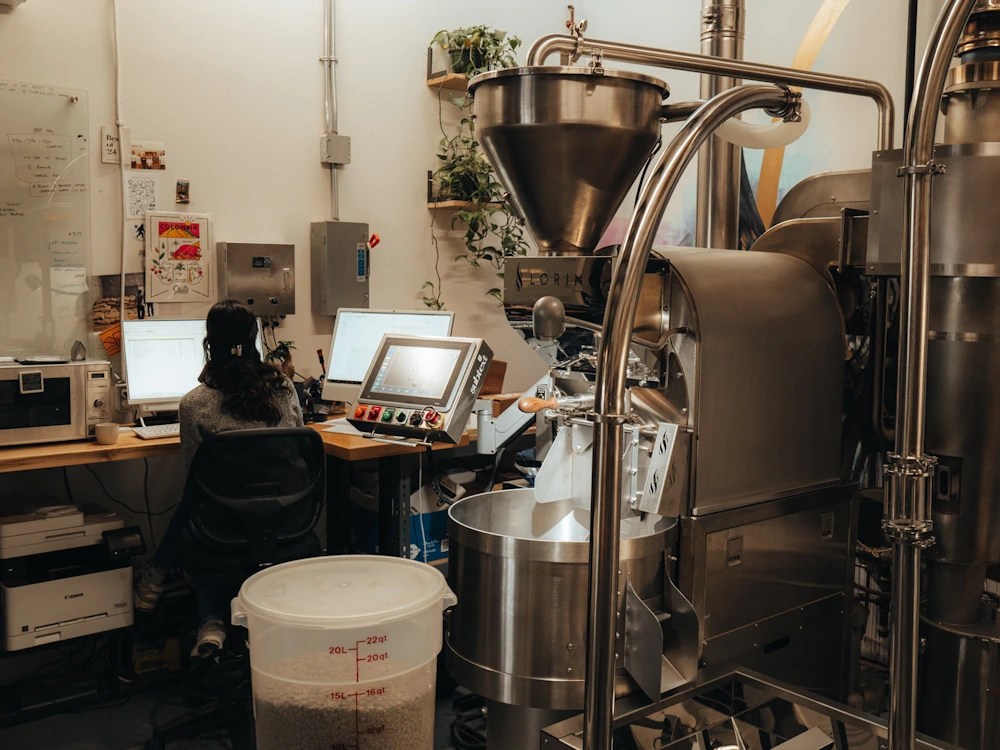
Specialty coffee now offers a range of flavour profiles wide enough to suit almost anyone’s preferences. The phrase “the best coffee is the one you like” has helped shift the industry away from gatekeeping and toward individual service.
The industry’s next step forward depends on baristas and roasters creating experiences that meet people where they are, leading with quality, simplicity, and respect for the customer in front of them.
Enjoyed this? Then read our article on what Gen Z actually wants from specialty coffee.
Perfect Daily Grind
Photo credits: Subtext Coffee Roasters
Want to read more articles like this? Sign up for our newsletter!
Source link