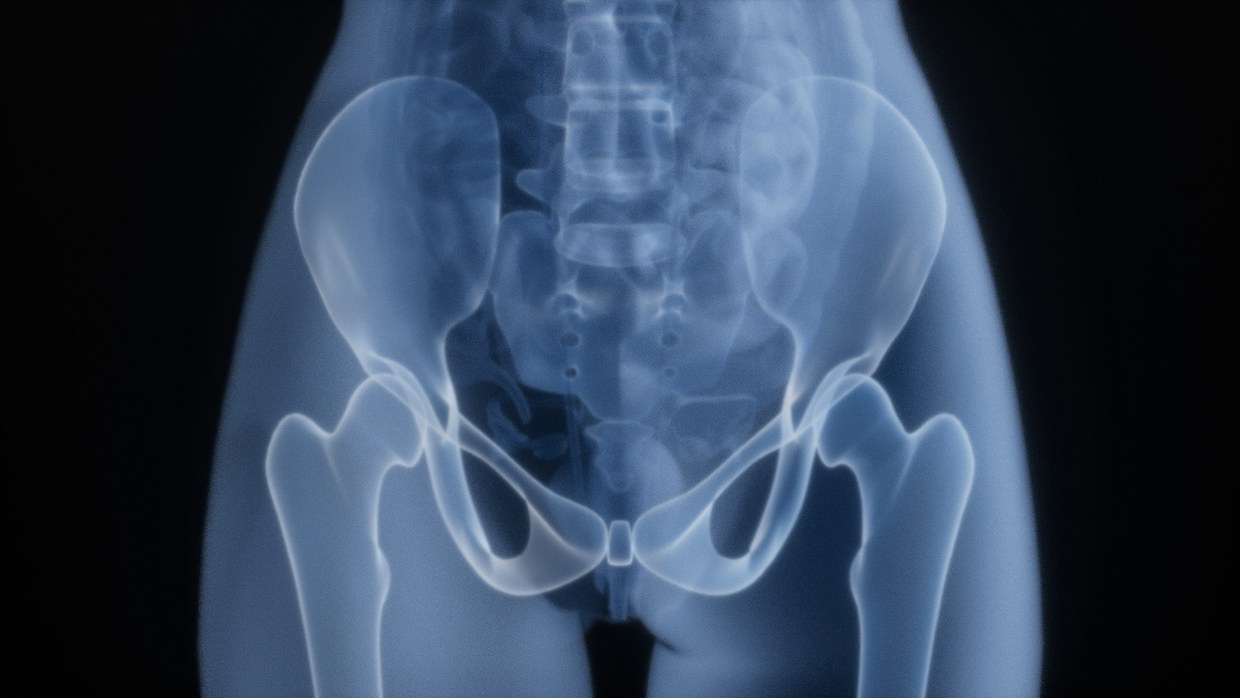
Older women who reported drinking tea had higher-than-average hip bone mineral density (BMD) in a 10-year study involving thousands of women in the United States.
The study from a team at Flinders University in Australia, published late last year in the journal Nutrients, explored multiple sources of caffeine intake and how they may affect bone density over time, using repeated measures in more than 9,700 U.S. women age 65 and older.

While tea drinkers had a small but statistically significant advantage in total hip BMD over non-tea drinkers, coffee drinking appeared to have largely neutral results.
“Even small improvements in bone density can translate into fewer fractures across large groups,” study co-author Enwu Liu of Flinders University said in an announcement of the study.
Coffee Looked Neutral Until Very High Intake
In the main adjusted models comparing coffee drinkers to non-coffee drinkers, coffee was not significantly associated with total hip BMD or femoral neck BMD — where the top of the femur (thigh bone) meets the hip — at any of the repeated visits.
However, coffee drinkers who reported drinking five or more cups per day were found to have lower total hip BMD.
“While moderate coffee drinking appears safe, very high consumption may not be ideal, especially for women who drink alcohol,” Enwu Liu said.
BMI and Alcohol as Complicating Factors
The paper also reported statistically significant interactions. For example, the coffee-BMD relationship differed by lifetime alcohol intake, with coffee consumption appearing to be more favorable for femoral neck BMD among women categorized as lower lifetime alcohol consumers.
Meanwhile, tea consumption was associated with higher femoral neck BMD among women who were classified as having obesity.
The authors emphasized that the study had limitations, including self-reported beverage intake, a cohort that was primarily White women and BMD measurements rather than reported fractures. They also noted that statistically significant decreases were modest and not necessarily cause for “dramatic changes” in individuals.
“Our findings suggest tea consumption is associated with higher total hip BMD in older postmenopausal women,” the study states. “While no overall association between coffee consumption and BMD was identified during the 10-year follow-up, natural spline analyses suggest that consuming more than five cups of coffee per day might be detrimental to BMD.”
Comments? Questions? News to share? Contact DCN’s editors here. For all the latest coffee industry news, subscribe to the DCN newsletter.



Source link