The Science Behind Fat Oxidation: How Your Body Burns Fat for Fuel
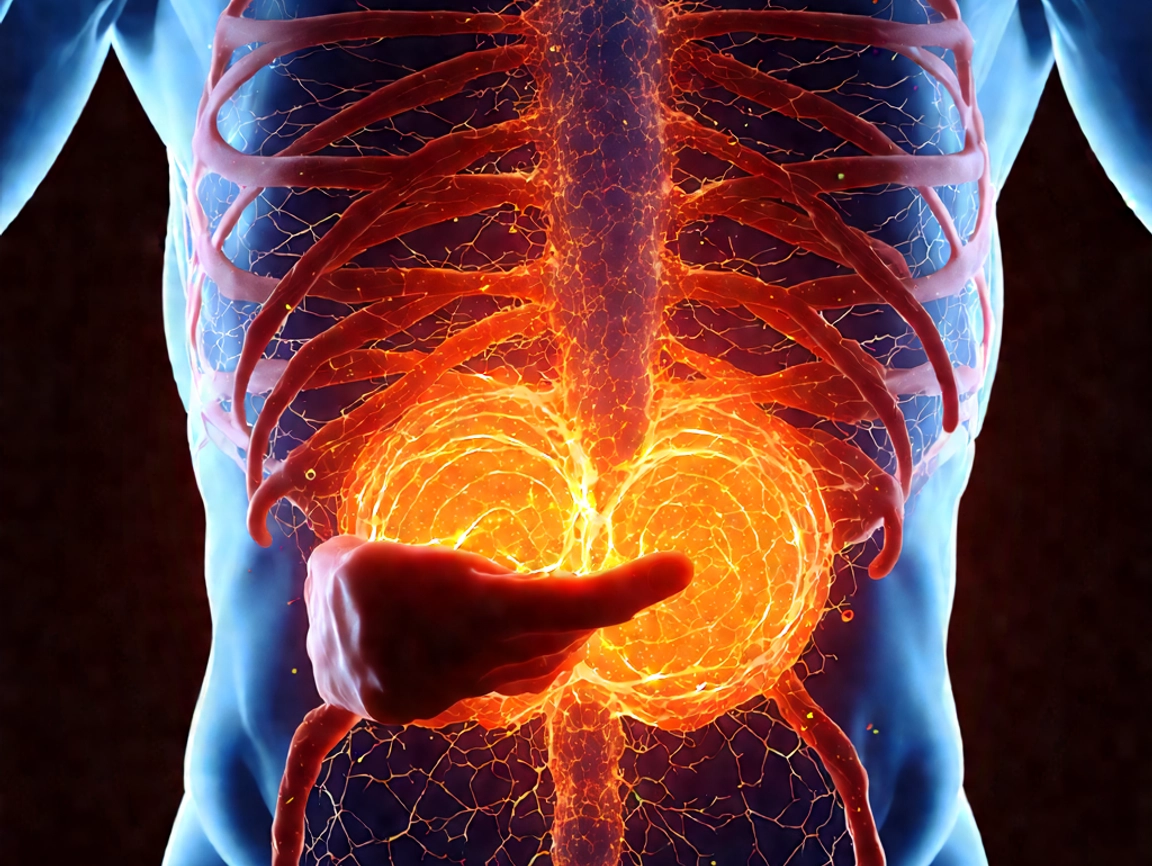
When it comes to weight loss and maintaining a healthy body composition, one of the key factors at play is the process of fat oxidation. Fat oxidation refers to the breakdown of fat molecules in the body to release energy for use by the muscles and other tissues. Understanding how this process works can help you make informed choices about your diet and exercise routine to optimize fat burning and achieve your health and fitness goals.
In this article, we will delve into the science behind fat oxidation, exploring how your body burns fat for fuel and the factors that influence this process. We will also address common questions and misconceptions about fat oxidation to provide you with a comprehensive understanding of this important metabolic pathway.
The Basics of Fat Oxidation
Fat oxidation is a complex metabolic process that involves the breakdown of triglycerides, the main form of fat stored in the body, into fatty acids and glycerol. These fatty acids are then transported to the mitochondria, the powerhouse of the cell, where they are further broken down through a series of biochemical reactions to produce adenosine triphosphate (ATP), the energy currency of the body.
The rate of fat oxidation is influenced by a variety of factors, including exercise intensity, duration, and type, as well as dietary factors such as macronutrient composition and caloric intake. In general, fat oxidation increases during low to moderate-intensity exercise, as the body relies more on fat as a fuel source when oxygen is readily available. However, at higher intensities, the body shifts to using carbohydrates as the primary fuel source, as they can be broken down more quickly to meet the increased energy demands.
The Role of Hormones in Fat Oxidation
Hormones play a crucial role in regulating fat oxidation in the body. Insulin, a hormone produced by the pancreas in response to elevated blood sugar levels, inhibits fat oxidation by promoting the storage of fat in adipose tissue. Conversely, hormones such as epinephrine and norepinephrine, which are released during exercise or stress, stimulate fat oxidation by activating enzymes that break down fatty acids in the mitochondria.
Another important hormone involved in fat oxidation is leptin, a hormone produced by fat cells that helps regulate energy balance and appetite. Leptin acts on the brain to suppress hunger and increase energy expenditure, including fat oxidation. However, in cases of obesity or leptin resistance, the body may become less sensitive to the effects of leptin, leading to dysregulation of fat metabolism and weight gain.
In addition to these hormones, thyroid hormones such as triiodothyronine (T3) also play a role in regulating fat oxidation by increasing the metabolic rate and promoting the breakdown of fatty acids for energy. Thyroid hormones are produced by the thyroid gland and are essential for maintaining a healthy metabolism and body composition.
Factors Influencing Fat Oxidation
Several factors can influence the rate of fat oxidation in the body, including:
1. Exercise intensity: As mentioned earlier, fat oxidation increases during low to moderate-intensity exercise, as the body relies more on fat as a fuel source. However, at higher intensities, the body shifts to using carbohydrates as the primary fuel source.
2. Duration of exercise: Prolonged exercise can also increase fat oxidation, as the body taps into its fat stores to sustain energy production over an extended period.
3. Diet: The macronutrient composition of your diet can affect fat oxidation, with higher fat and lower carbohydrate diets promoting greater fat burning. However, overall caloric intake is also important, as consuming more calories than your body needs can lead to weight gain regardless of the macronutrient composition.
4. Genetics: Individual differences in fat metabolism can also influence the rate of fat oxidation, with some people naturally burning more fat than others due to genetic factors.
5. Age: Age can also affect fat oxidation, with older individuals generally having a slower metabolic rate and lower fat oxidation compared to younger individuals.
FAQs about Fat Oxidation
Q: Can you target specific areas for fat oxidation?
A: While spot reduction is a common misconception, it is not possible to target specific areas for fat oxidation through exercise. The body stores fat in a genetically predetermined pattern, and fat loss occurs systemically rather than locally. However, regular exercise and a healthy diet can help reduce overall body fat and improve body composition.
Q: Does fasting increase fat oxidation?
A: Fasting can increase fat oxidation by depleting glycogen stores and forcing the body to rely more on fat for fuel. However, prolonged fasting can also lead to muscle breakdown and a decrease in metabolic rate, so it is important to balance fasting with adequate nutrition and hydration.
Q: What role does sleep play in fat oxidation?
A: Sleep is essential for regulating hormones that influence fat oxidation, such as leptin and cortisol. Poor sleep quality or insufficient sleep can disrupt hormone levels and metabolism, leading to weight gain and metabolic dysfunction. Aim for 7-9 hours of quality sleep per night to support optimal fat oxidation and overall health.
Q: How does stress affect fat oxidation?
A: Chronic stress can disrupt hormone balance and metabolism, leading to increased fat storage and reduced fat oxidation. Stress hormones such as cortisol can promote the storage of fat in abdominal areas and inhibit the breakdown of fatty acids for energy. Managing stress through relaxation techniques, exercise, and mindfulness can help support healthy fat metabolism.
Q: What role does hydration play in fat oxidation?
A: Adequate hydration is essential for optimal fat oxidation, as water is needed for the breakdown and transport of fatty acids in the body. Dehydration can impair metabolic function and reduce fat oxidation, so be sure to drink enough water throughout the day to support your metabolism and overall health.
In conclusion, fat oxidation is a complex metabolic process that plays a crucial role in energy production and maintaining a healthy body composition. By understanding the science behind fat oxidation and the factors that influence this process, you can make informed choices about your diet and exercise routine to optimize fat burning and achieve your health and fitness goals. Remember to consult with a healthcare professional or registered dietitian for personalized recommendations based on your individual needs and goals.