
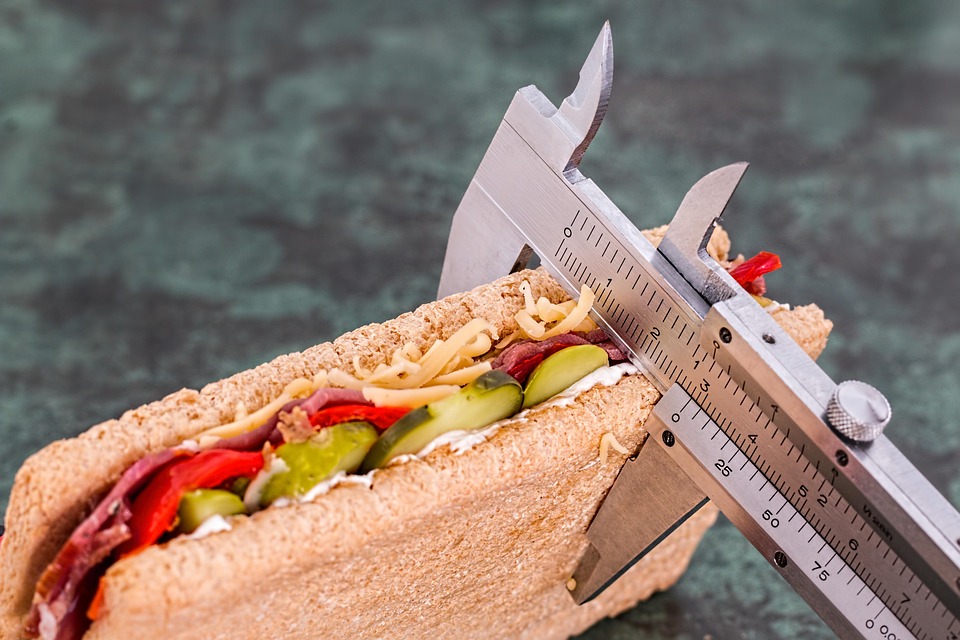
Sustainable weight loss is a goal that many people aspire to achieve, but it can be difficult to navigate the sea of information and fad diets that are constantly bombarding us. However, by understanding the science behind weight loss and implementing strategies that are proven to be effective, you can set yourself up for long-term success in achieving and maintaining a healthy weight.
In this article, we will explore the science behind sustainable weight loss, discuss strategies for success, and address common questions that you may have about this topic.
The Science Behind Weight Loss
In order to understand how weight loss occurs, it’s important to have a basic understanding of the energy balance equation. This equation states that in order to lose weight, you must consume fewer calories than you expend. This creates a calorie deficit, which forces your body to burn stored fat for energy.
There are several factors that influence how many calories you burn each day, including your basal metabolic rate (BMR), the thermic effect of food (TEF), and physical activity level. Your BMR is the number of calories your body needs to perform basic functions like breathing, circulating blood, and maintaining body temperature. The TEF is the number of calories your body needs to digest, absorb, and process food. Physical activity level refers to the number of calories you burn through exercise and daily activities.
In order to create a calorie deficit and promote weight loss, you can either reduce your calorie intake, increase your calorie expenditure through exercise, or a combination of both. However, it’s important to note that extreme caloric restriction can be harmful to your health and may result in muscle loss, nutrient deficiencies, and a slower metabolism.
Strategies for Sustainable Weight Loss
1. Eat a balanced diet: Focus on consuming a variety of nutrient-dense foods, including fruits, vegetables, whole grains, lean proteins, and healthy fats. Avoid highly processed foods and sugary beverages, as they are often high in calories and low in nutrients.
2. Practice portion control: Pay attention to serving sizes and avoid overeating by using smaller plates, measuring out portions, and listening to your body’s hunger cues.
3. Stay hydrated: Drink plenty of water throughout the day to stay hydrated and help regulate your appetite. Sometimes, thirst can be mistaken for hunger, leading to unnecessary snacking.
4. Exercise regularly: Aim for at least 150 minutes of moderate-intensity exercise per week, such as brisk walking, cycling, or swimming. Incorporate strength training exercises to build muscle mass and boost your metabolism.
5. Get enough sleep: Lack of sleep can disrupt your hunger hormones and lead to increased cravings for unhealthy foods. Aim for 7-9 hours of quality sleep each night to support your weight loss efforts.
6. Manage stress: Chronic stress can lead to emotional eating and weight gain. Practice stress-reducing techniques such as meditation, deep breathing, yoga, or spending time in nature to help manage your stress levels.
7. Set realistic goals: Avoid setting unrealistic expectations for weight loss and focus on making small, sustainable changes to your lifestyle. Celebrate your progress along the way and be patient with yourself.
FAQs
Q: How much weight can I expect to lose each week?
A: The amount of weight you can expect to lose each week depends on several factors, including your starting weight, age, gender, metabolism, and level of physical activity. A safe and sustainable rate of weight loss is 1-2 pounds per week. Keep in mind that weight loss is not always linear, and there may be periods of plateau or fluctuations in weight.
Q: Do I need to follow a specific diet in order to lose weight?
A: There is no one-size-fits-all diet that works for everyone when it comes to weight loss. However, focusing on a balanced diet that includes a variety of nutrient-dense foods and practicing portion control is key. Some people may find success with a specific diet plan, such as a Mediterranean diet, low-carb diet, or intermittent fasting, but it’s important to find a plan that works for you and is sustainable in the long term.
Q: How important is exercise for weight loss?
A: Exercise is an important component of weight loss and overall health. In addition to burning calories, regular exercise helps to build muscle mass, boost metabolism, improve cardiovascular health, and reduce stress. Aim for a combination of cardiovascular exercise, strength training, and flexibility exercises to support your weight loss goals.
Q: What should I do if I hit a weight loss plateau?
A: Weight loss plateaus are common and can be frustrating, but they are a normal part of the weight loss journey. If you hit a plateau, try mixing up your exercise routine, reassessing your calorie intake, increasing your water intake, or seeking support from a healthcare professional or registered dietitian. Remember that weight loss is not always linear, and it’s important to be patient and consistent with your efforts.
Q: How can I maintain my weight loss once I reach my goal?
A: Maintaining weight loss requires ongoing effort and commitment to a healthy lifestyle. Continue to practice the strategies that helped you lose weight, such as eating a balanced diet, exercising regularly, getting enough sleep, managing stress, and monitoring your progress. Stay mindful of your eating habits, stay active, and be kind to yourself if you slip up. Remember that weight maintenance is a lifelong journey, and it’s important to focus on progress, not perfection.
In conclusion, sustainable weight loss is achievable by understanding the science behind weight loss, implementing strategies that are proven to be effective, and making small, sustainable changes to your lifestyle. By focusing on a balanced diet, regular exercise, adequate sleep, stress management, and setting realistic goals, you can set yourself up for long-term success in achieving and maintaining a healthy weight. Remember to be patient with yourself, celebrate your progress, and seek support from healthcare professionals or registered dietitians if needed. By taking a holistic approach to weight loss, you can achieve your goals and improve your overall health and well-being.