

Estimated reading time: 7 minutes
Key takeaways
- Hungary’s green coffee imports nearly tripled between 2023 and 2024.
- World-class champions built Budapest’s specialty coffee scene from the ground up.
- Around 170 specialty coffee shops and roasters now operate across the country.
- A 27% VAT rate remains a significant barrier for coffee businesses, but falling inflation could ease pressure.
Central Europe’s specialty coffee market is growing, and Hungary is one to watch.
No longer confined to Budapest, a city with a deep connection to coffee, specialty coffee is spreading across the country. According to European Coffee Trip, around 170 specialty shops and roasters now operate nationwide, and Hungary’s Specialty Coffee Guide tracks businesses across some 35 cities.
Regional and international brands are also taking notice. Romania’s Meron Coffee and Japan’s % Arabica have both expanded into the country, signalling confidence in further growth.
You may also like our article on why Romania’s specialty coffee market is growing so fast.

East meets West: Hungary’s unique relationship with coffee
Hungary, a landlocked country in Central Europe that borders seven nations, has a long history with coffee.
The Ottoman Empire, which occupied the country for 150 years, introduced Hungarians to Turkish-style coffee in the 16th century. It was strong and thick, earning the nickname fekete leves, or “black soup.”
When the Austrian Habsburgs overran the Ottoman Empire at the end of the 17th century, coffee habits shifted. Viennese influence brought milky, sweet drinks like the melange – coffee with steamed milk and milk foam that remains popular today.
From those Ottoman and Austrian influences grew the kávéház, the classic Hungarian coffeehouse. By the late 19th century, these establishments had become centres of literary and political life in Budapest, mirroring the Viennese coffeehouse tradition but with a distinctly Hungarian character.
Writers, journalists, and artists gathered at places like Centrál Kávéház, Café Gerbeaud, and the New York Café, which opened in 1894 and was featured on Anthony Bourdain’s Parts Unknown.
The New York Café became so lavishly decorated and socially significant that it earned a reputation as the “most beautiful café in the world”. Today it is a major tourist attraction, drawing visitors from across Europe and beyond.
This layered history, part Ottoman, part Austro-Hungarian, and part home-grown, gives Hungary a genuinely distinctive relationship with coffee – setting the stage for specialty coffee consumption to grow.

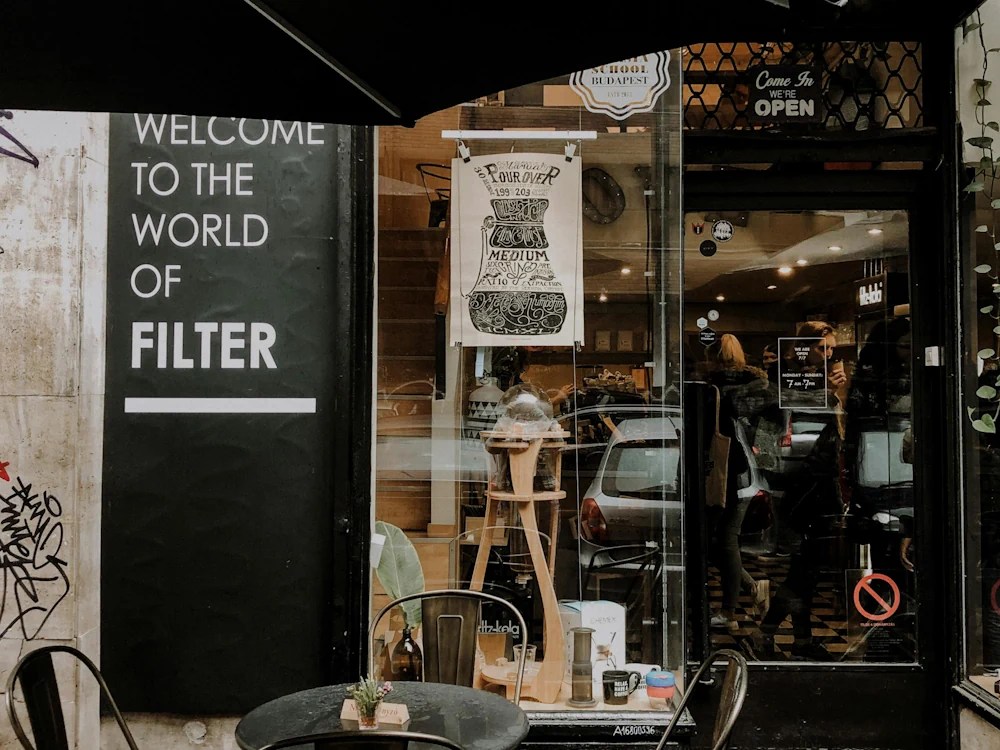
Specialty coffee blooms in Budapest
Hungary’s coffee market is growing, though the picture is not straightforward.
Green coffee imports almost tripled between 2023 and 2024, rising from 2,483 60-kg bags to 6,727 bags, according to the most recent European Coffee Report, indicating significant growth in the country’s roasting sector.
Total coffee sales reached €439 million in 2024, a 14% increase from 2022. Yet because Hungary relies on countries like Germany, Italy, Belgium, Spain, and the Netherlands as import hubs, it adds logistical layers and costs.
Traditional Italian-style espresso still dominates in volume, but consumer interest in single origin coffees, filter brewing, and transparent sourcing is growing. Hungary’s historic reputation as one of Europe’s most important winemaking regions, particularly for Tokaji, has likely encouraged an appreciation for coffee’s terroir and complexity.
“Wine and food are part of our national identity; we’ve been making wine since the Romans,” says Máté Horváth, a former barista living in Budapest. “After Communism fell in 1989, there was a winemaking ‘renaissance’, and it’s a source of national pride. I definitely think this appreciation for food and wine extends to specialty coffee.”
The number of specialty coffee shops and roasters has surged over the past decade, particularly in Budapest. Four-time Hungarian Barista Champion Attila Molnár opened Tamp & Pull in 2012, widely credited as one of the pioneers of the city’s specialty movement. Molnár had previously worked for Costa Coffee when it first entered the Hungarian market, helping open 10 stores and train hundreds of baristas. He now leads One Eleven, one of Hungary’s few specialty roasters.
World-class baristas & international influence
Numerous other coffee champions have since opened cafés and roasteries in the city. Hungarian Brewers Cup and AeroPress Champion Tibor Várady ran Printa Café between 2010 and 2012, before opening the award-winning Espresso Embassy in 2013.
“There’s a lot of international influence in Budapest’s specialty coffee scene,” says Máté. “My Little Melbourne is inspired by Australia, and Madal Café is branded around Indian spiritual leader Sri Chinmoy. You can find a lot of European and international roasters in the city’s coffee shops, too.”
Many of Budapest’s cafés work with homegrown roasters like Casino Mocca, while others source from European and international roasters such as the UK’s Workshop Coffee, Denmark’s Coffee Collective, and Canada’s Monogram.
“The city’s coffee scene has a lot of personality,” Máté says. “Kontakt is for purists, offering no sugar, and there are plenty of cafés with excellent brunch menus as well, like Budapest Baristas, Six Letter, and Dorado.”

Hungary’s appetite for specialty coffee will continue to grow
Hungarian coffee habits are shifting in multiple directions. The capsule and roast & ground markets are both growing, reflecting a broader consumer trend towards convenience.
Quality is also a priority for consumers. As more specialty coffee shops and roasters open beyond Budapest, awareness of different brewing methods grows.
At the same time, events like Budapest Coffee Week and KávéBár are building community around specialty coffee, helping to convert casual consumers into more engaged, discerning ones. World of Coffee was held in Budapest in 2017, giving the city’s coffee scene international recognition.
International interest continues today. Brands including Japan’s % Arabica and Romania’s Meron Coffee have entered the Hungarian market, signalling that further growth is expected.
But economic context matters. Hungary levies the highest standard VAT rate in the European Union at 27%, a policy designed in part to compensate for lower income and corporate tax rates. For specialty coffee businesses, which already absorb higher sourcing and labour costs, this tax burden limits growth.
Nevertheless, the macroeconomic outlook looks optimistic. Hungary’s GDP is projected to grow by 2.1% in 2027, and inflation is forecast to ease to 3.1% in 2027, supported by currency appreciation and easing domestic price pressures. As incomes stabilise and consumer confidence returns, discretionary spending on food and drink typically follows.
Specialty coffee is premium enough to be affected by consumer caution, but accessible enough that many drinkers treat it as an affordable indulgence. With inflation expected to moderate, especially following Viktor Orbán’s historic political defeat, more Hungarian consumers are likely to trade up to specialty coffee.
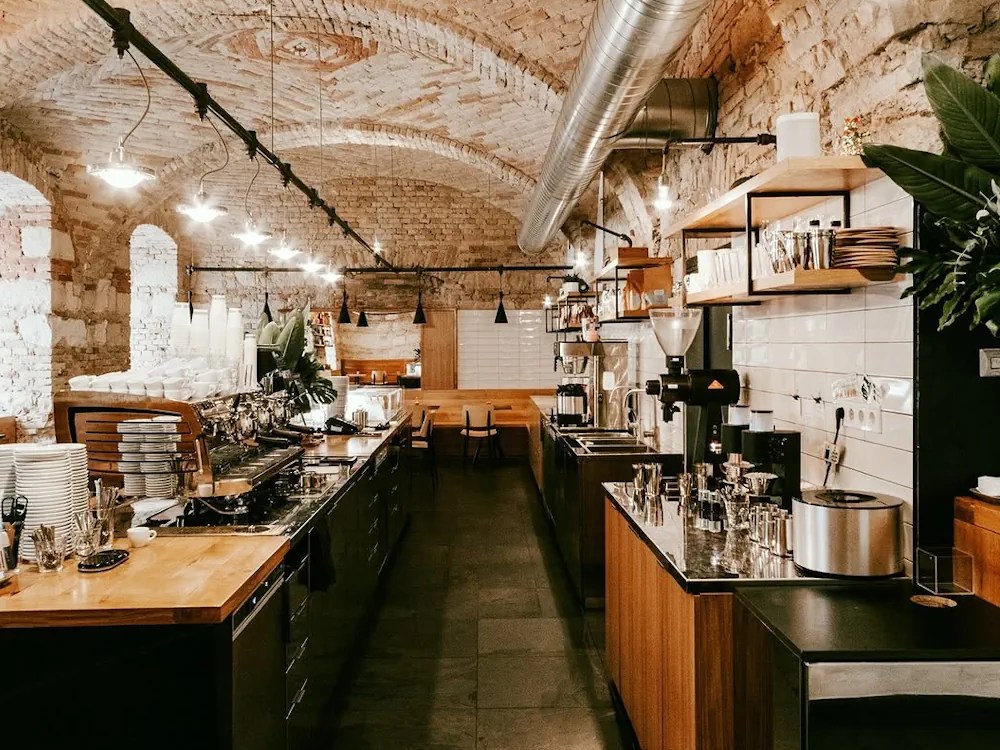
Hungary’s specialty coffee market is growing quickly, but structural challenges remain. A 27% VAT rate, landlocked import routes, and price-sensitive consumers all create pressure on margins.
Yet green coffee imports nearly tripled in a single year, international brands are expanding, and GDP growth is projected to accelerate through 2027. Looking ahead, Hungary’s specialty coffee scene will continue to flourish.
Need more leads for your coffee business? Get in touch with PDG Media, our marketing agency dedicated to specialty coffee, here.
Hungary specialty coffee FAQs
- What makes Hungary’s coffee culture unique?
Hungary’s coffee culture reflects centuries of Ottoman and Austro-Hungarian influence. The Ottomans introduced strong, thick Turkish-style coffee in the 16th century, while the Habsburgs shifted tastes towards milky drinks like the melange. From those influences grew the kávéház, the classic Hungarian coffeehouse, which became a centre of literary and political life by the late 19th century.
- How big is Hungary’s specialty coffee market?
Around 170 specialty coffee shops and roasters now operate across Hungary. Green coffee imports nearly tripled between 2023 and 2024, rising from 2,483 to 6,727 60kg bags. Total coffee sales reached €439 million in 2024, a 14% increase from 2022.
- What are the biggest challenges facing Hungary’s specialty coffee industry?
Hungary levies the highest standard VAT rate in the European Union at 27%, which puts pressure on specialty coffee businesses. Because Hungary is landlocked, it relies on neighbouring countries as import hubs, adding logistical complexity and cost.
Photo credits: Casino Mocca, Espresso Embassy
Perfect Daily Grind
Want to read more articles like this? Sign up for our newsletter!
Source link