
Key takeaways:
- Gen Z prefers customised, cold, visually appealing drinks over traditional coffee.
- Specialty coffee terminology alienates younger consumers seeking accessibility and convenience.
- Gen Z values sustainability but demands relevant experiences.
- Trending drinks create entry points for building long-term customer loyalty.
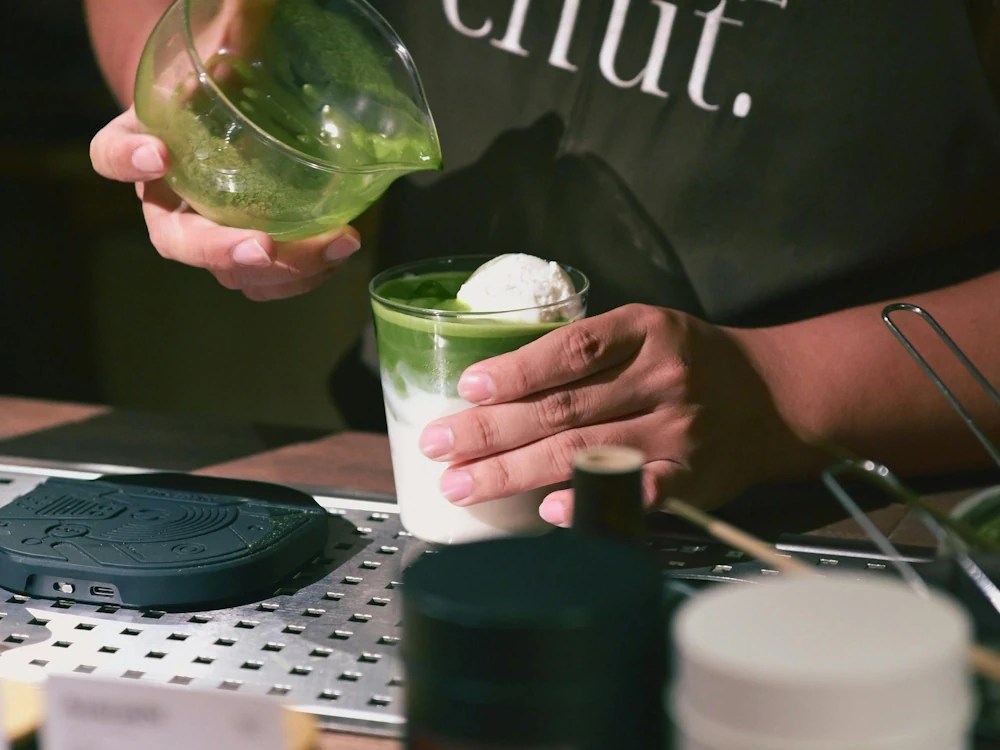
When we talk about Gen Z’s coffee – or perhaps more fittingly, non-coffee – preferences, colourful, Instagrammable, and flavoured concoctions first come to mind. Matcha is considered the go-to option, and it’s always iced.
Brands like Blank Street and Black Sheep, both hugely appealling to Gen Z consumers, have capitalised on this. Blank Street has built a US$500 million business around the bright green drink. Black Sheep, meanwhile, saw its sales soar by over 227% in May 2025 after launching an iced matcha range. More recently, value-focused UK chain Greggs launched its first-ever matcha line to capture younger consumers.
Gen Z, those born between 1997 and 2012, is the first cohort to have grown up entirely in the digital age. These chains appeal to younger consumers not only for their customisation options but for their digital-first convenience, including app-based pre-ordering and quick service.
“They want to personalise everything, and they want it fast,” says Sarah Mitchell, a specialty coffee marketing specialist based in London. “The idea of waiting five minutes for a pour-over just doesn’t fit their lifestyle.”
Research also indicates that although Gen Z begins drinking coffee later than millennials, their adoption accelerates more quickly. Their preferences lean towards ready-to-drink options, flavourings, plant milks, and cold drinks.
You may also like our article on why black coffee should be Gen Z’s favourite drink.
The clash between specialty coffee and Gen Z
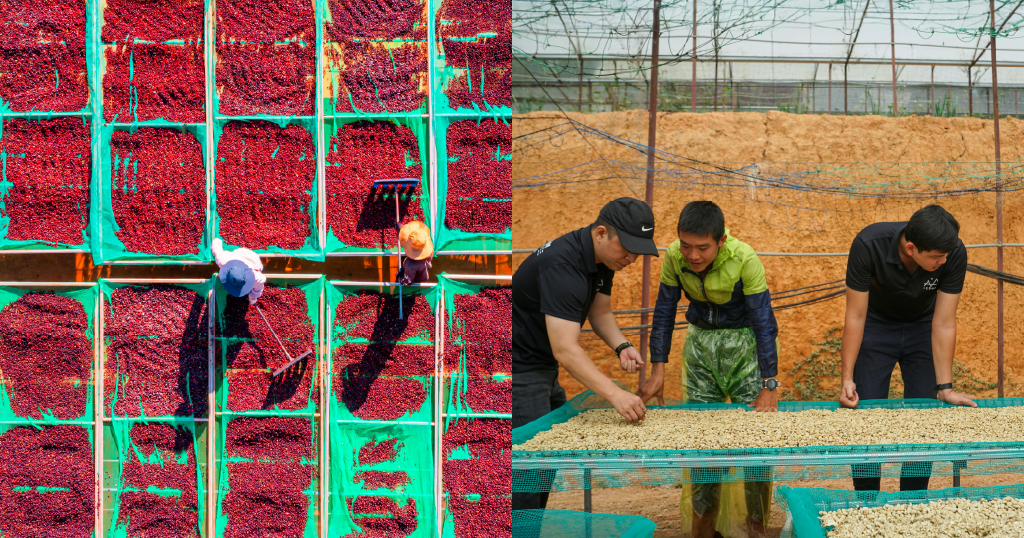
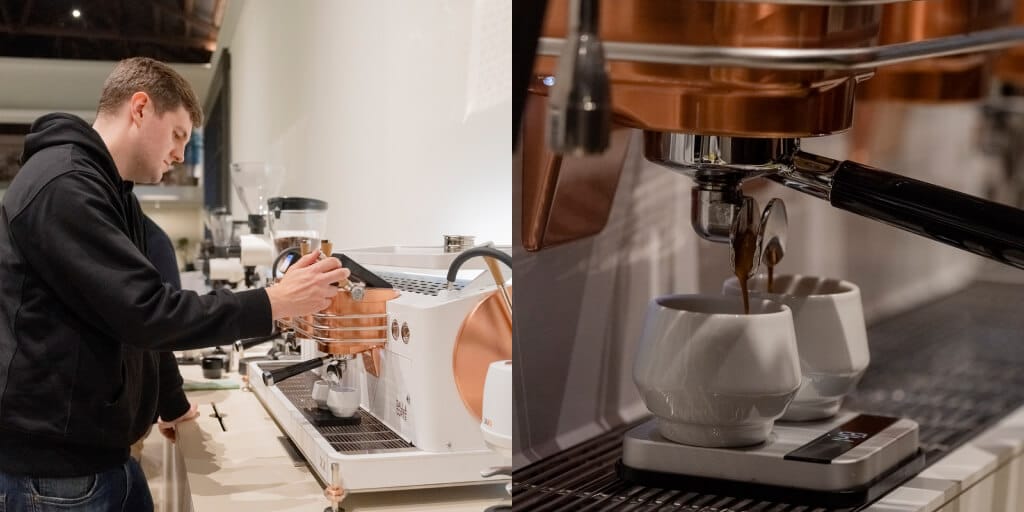
Third wave coffee culture has built its reputation on artisanal craft, emphasising origin, processing methods, and precise brewing techniques. Yet Gen Z consumers show a strong preference for customisation, speed, and social-media-worthy experiences over these traditional markers of quality.
Specialty coffee shops pride themselves on single origin offerings and “purist” drinks like filter coffee and traditional milk beverages. This approach, however, limits the customisation options that Gen Z consumers expect.
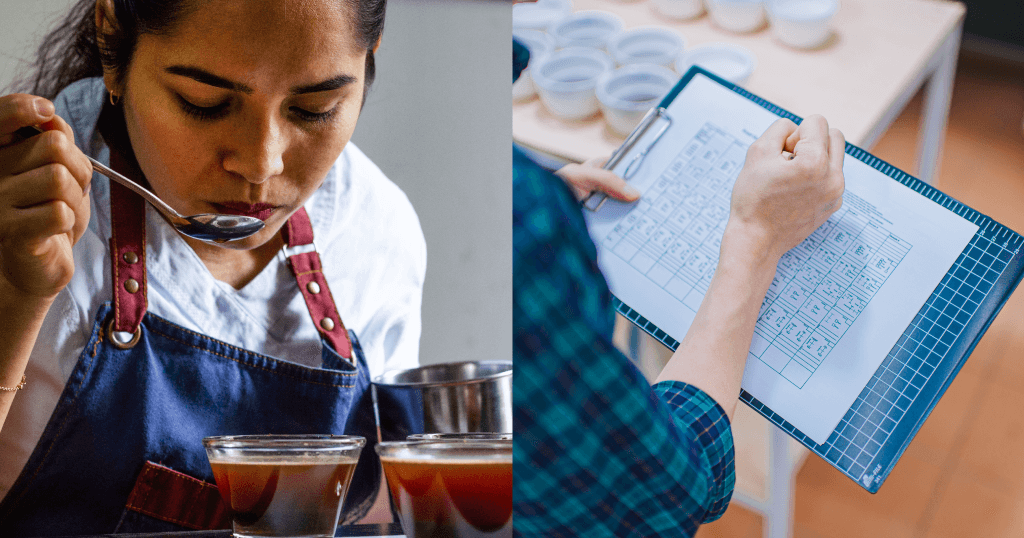
“The terminology we use in specialty coffee, talking about cupping notes like ‘green tomato’ or ‘tropical fruit’, also feels alienating to many young consumers,” Sarah explains. “They’re often not interested in a coffee education. They want a drink that tastes good and looks good on their feed.”
Chamberlain Coffee, another brand popular with Gen Z, best showcased this disinterest, and even disdain, for specialty coffee language. Founder Emma Chamberlain mocked the “seriousness” of “abstract” and “intimidating” Q grader terminology and flavour notes.
However, Chamberlain simultaneously highlighted key values of specialty coffee: preferences vary widely, everyone’s palate is different, the “best” coffee is the one that you like, and you should try as many different coffees as you can.
Dispelling a narrow view of Gen Z & coffee
We typically adopt a narrow-minded approach when talking about Gen Z’s coffee preferences: customised, cold, and colourful. Early results of André Eiermann’s Gen Z and Coffee survey highlight the aesthetic-heavy persona that specialty coffee often ascribes to this demographic, pointing to how coffee has become just one ingredient among many for them.
However, their demands are often more complex. Gen Z also values ritual, consistency, and identity – three key components of specialty coffee. André’s research, which includes Gen Z consumers from over 30 countries, has also found that most drink coffee at home and that filter coffee is the surprisingly preferred option for 41% of respondents.
Ultimately, this demonstrates that there is more nuance to Gen Z’s coffee preferences. But how coffee is marketed and presented to them may matter most.
“The irony is that Gen Z also cares about sustainability and fair trade, which are core pillars of specialty coffee,” says Sarah. “But if you can’t deliver those values in a package that feels relevant to them, in an environment they find appealing, with drinks they want to order, then that alignment becomes meaningless.”


Gen Z’s preferences are an opportunity
Many in the industry assert that chasing trends sacrifices quality. The focus on aesthetics and customisation, they argue, undermines coffee itself. Yet dismissing Gen Z’s preferences as shallow misses the broader picture.
While many younger consumers may opt for cold brew, iced matcha, and flavoured lattes, the reality is that their preferences span a wide range of coffee options – many of which specialty coffee shops already offer. Above all, Gen Z wants variety from specialty coffee.
“I think we need to stop seeing Gen Z’s preferences as a threat to specialty coffee,” Sarah argues. “They’re an opportunity. If you take a trending drink and execute it well, using quality ingredients and proper technique, you create an entry point.
“Once they’re through the door, you have the chance to build loyalty and introduce them to ‘purist’ drinks that they may gravitate towards as they get older.”
Specialty coffee businesses that establish relationships with these customers now position themselves to grow with them. But the challenge for now lies in maintaining the craftsmanship and integrity that define specialty coffee while speaking to Gen Z’s preferences. Social media presence, for instance, has become essential for coffee businesses targeting younger consumers.
“You don’t have to abandon your values to attract younger consumers,” says Sarah. “But you do need to meet them where they are. That means having a strong social media presence, offering some level of customisation, and creating spaces that photograph well.”
Gen Z consumers respond to brands that align with their values. They prioritise environmental responsibility and ethical sourcing, areas where specialty coffee traditionally excels. However, these values alone won’t attract customers if the overall experience doesn’t meet their expectations.
“Education is key, but it needs to happen organically,” says Sarah. “You can’t lecture people about terroir when they walk in wanting a caramel latte. But you meet them with that latte, made really well, and over time, you introduce them to other things. That’s how you build the bridge.”

The specialty coffee industry must adapt without losing its identity. This means understanding how Gen Z discovers brands, what drives their engagement and how they form connections with businesses.
“The businesses that will thrive are the ones that recognise Gen Z isn’t a problem to solve, they’re customers to serve,” Sarah concludes. “That requires flexibility, creativity, and a willingness to evolve while staying true to what makes specialty coffee special in the first place.”
Enjoyed this? Then read our article on how Gen Z is reshaping coffee.
Perfect Daily Grind
Want to read more articles like this? Sign up for our newsletter!
Source link
![ECO SOUL 8 Inch Compostable Disposable Paper Plates [100 Pack] Food Safe 100% Virgin Bagasse Pulp Heavy Duty Biodegradable Microwave Safe Large Square Dinner Plate for Party, Picnic & BBQ (White)](https://healthybrewhub.com/wp-content/uploads/2026/03/ECO-SOUL-8-Inch-Compostable-Disposable-Paper-Plates-100-Pack.jpg "ECO SOUL 8 Inch Compostable Disposable Paper Plates [100 Pack] Food Safe 100% Virgin Bagasse Pulp Heavy Duty Biodegradable Microwave Safe Large Square Dinner Plate for Party, Picnic & BBQ (White)")