
Estimated reading time: 7 minutes
Key takeaways
- Younger consumers often consider black filter coffee “too simple”.
- Only 18% of US consumers now prefer to drink their coffee black, a 56% decrease from 2022.
- Gen Z is prioritising flavour, visual appeal, customisation, and convenience.
- Black coffee’s health benefits, backstory, and brewing ritual could draw in younger consumers.
For over two decades, black filter coffee has served as the calling card of specialty coffee. Considered the clearest expression of flavour and terroir, it remains the drink of choice for many industry professionals and enthusiasts alike.
But today, Gen Z’s preferences, which centre on “little treat” culture and convenience, have shifted this norm. Cold drinks dominate café sales more than ever, ready-to-drink formats continue to multiply, and customisation has become a form of self-expression.
Among younger generations, a straightforward black coffee may be too “boring”. Only 18% of US consumers now prefer to drink their coffee black, down 56% from 2022. Younger drinkers are increasingly likely to add flavourings, syrups, and cold foams to build multi-sensory beverages that feel worth the price.
For many in Gen Z, coffee functions as an ingredient rather than the focus of the drink itself. Black coffee, therefore, risks losing cultural significance among this group, but increasing its appeal could be more straightforward than we think. Health credentials offer one entry point, cold brew and RTD provide a gentler introduction, and the slower ritual of brewing aligns naturally with Gen Z’s growing interest in mindfulness.
You may also like our article on what Gen Z actually wants from specialty coffee.
Gen Z wants more from their coffee
When Gen Z’s preferences come up, the conversation quickly turns to colourful, flavoured drinks built for social media. Matcha has become the go-to option, almost always served iced.
Several brands have moved quickly to meet this shift in demand. Blank Street has built a US$500 million business around the drink, while Black Sheep saw sales rise by over 227% in May 2025 after launching an iced matcha range. Greggs, now the UK’s biggest branded coffee chain, has also entered the category, launching its first-ever matcha line with younger consumers clearly in mind.
Compared to an iced matcha or cold foam-topped flavoured cold brew, a cup of black coffee quickly loses its appeal for Gen Z.
“Black coffee hasn’t lost its edge as a quality product, but perhaps the ritual of traditional filter coffee lost its identity for a new generation that prioritises speed, convenience, and flavours,” says Dustin Khan, Sales and Marketing Director at Cloud Picker Coffee, a finalist in the 2025 Global Coffee Awards Europe edition.
Gen Z, those born between 1997 and 2012, is the first generation to have grown up entirely in the digital age, so the appeal of chains like Blank Street goes beyond drink choice. App-based pre-ordering, quick service, and endless customisation options all matter to this demographic.
That said, over 70% of Gen Z report that they are willing to pay a premium for sustainable and ethically sourced products – and black coffee directly appeals to these values.
“Gen Z is curious and open to new experiences,” says Luz Carime Gomez, Global Supply Chain & IT Leader at Caravela. “They are genuinely interested in understanding flavour profiles, origin, and the story behind the product, especially when it’s connected to sustainability, ethics, and purpose. The challenge is not black coffee itself, but how we communicate it.”
Demystifying black coffee
Specialty coffee built much of its identity on precision, purity, and technical language, which can often feel alienating for younger consumers. Chamberlain Coffee, another brand popular with Gen Z, mocked the “seriousness” of “abstract” and “intimidating” Q grader terminology and flavour notes.
“Gen Z is more aware and more relaxed in its approach to the world; notice fashion, they rejected skinny jeans,” explains Sina Tadayon, the founder of Zesto Coffee. “Everything that reads as ‘serious’ is associated with older generations.
“Coffee brands aren’t an exception, and in the world of specialty coffee, where anything except black coffee is seen as less ‘serious’, dropping that attitude removes the barrier and creates a more intimate experience. This is partly why matcha gained so much traction: its green colour, added flavours, and fun vibes.”
Matcha’s popularity among Gen Z reflects how this group responds to maximalist visual identity. Yet many of the same consumers also gravitate towards minimalism and simplicity in their daily habits, creating an entry point for black coffee.
“When coffee is understood as a human story rather than just a drink, it becomes relevant,” Luz explains. “It connects with a person’s identity, emotions, or aspirations.”


Inviting, not forcing, interest
Specialty coffee brands that want to bring Gen Z towards black coffee will need to start from where those consumers already are – whether that means addressing convenience, leading with flavour, or lowering the barrier to entry.
“By offering simple formats like specialty instant coffee and RTD products, we can reduce the complexity of the brewing process,” says Dustin. “By using an accessible, non-preachy voice, we also reduce the complexity of specialty coffee culture.”
Chinny Li, Production Manager and Master Roaster at 49th Parallel Coffee, a Silver Blend Winner at the 2025 Global Coffee Awards US & Canada edition, agrees that a shift in approach is required.
“Specialty coffee needs to redefine marketing to speak to the modern younger consumer,” she says. “We need to better communicate the sensory excellence behind a well-crafted cup, or even the beauty of the brewing process itself. Experience is a powerful gateway.”
Packaging plays a key role in this. Vibrant, colourful bags and boxes speak directly to Gen Z’s preference for bold design, and can signal what a coffee tastes like before opening the packaging.
“Our packaging acts as a ‘visual hook’ that signals this isn’t bitter black coffee; it’s something expressive and modern,” Sina says. “But it’s also about language. We replace technical jargon with flavour-forward descriptions that people actually understand.”
For many younger consumers, flavour needs to be immediate and clear, which is why sweeteners and syrups remain popular additions. In that sense, co-fermented coffees – with fruit-forward, bold flavour profiles – could be useful tools.
“Or let’s say they try a natural process Pink Bourbon from Colombia; it’s a total palate-shifter,” Sina says. “Once they realise black coffee can be naturally sweet and juicy, the game changes.”
Health benefits & ritual
Another key part of black coffee’s appeal lies in its health benefits – which could be the hook that draws in Gen Z consumers. As of April 2025, the US Food and Drug Administration automatically classifies black coffee as “healthy”.
Like millennials, Gen Z are more likely to prioritise their physical and mental health than other generations. According to the American Psychiatric Association, Gen Z was more likely to have received treatment or therapy than any other demographic, as they often report feeling more anxious or stressed.
Consumption of sugar-laden coffee drinks can provide temporary relief from stress by affecting stress-related hormones such as cortisol. Antioxidants in black coffee, meanwhile, can improve life expectancy and reduce the risk of certain diseases, including Parkinson’s and diabetes. Drinking black coffee before high-stress situations can also regulate the gut-brain axis and, subsequently, could help prevent mood swings.
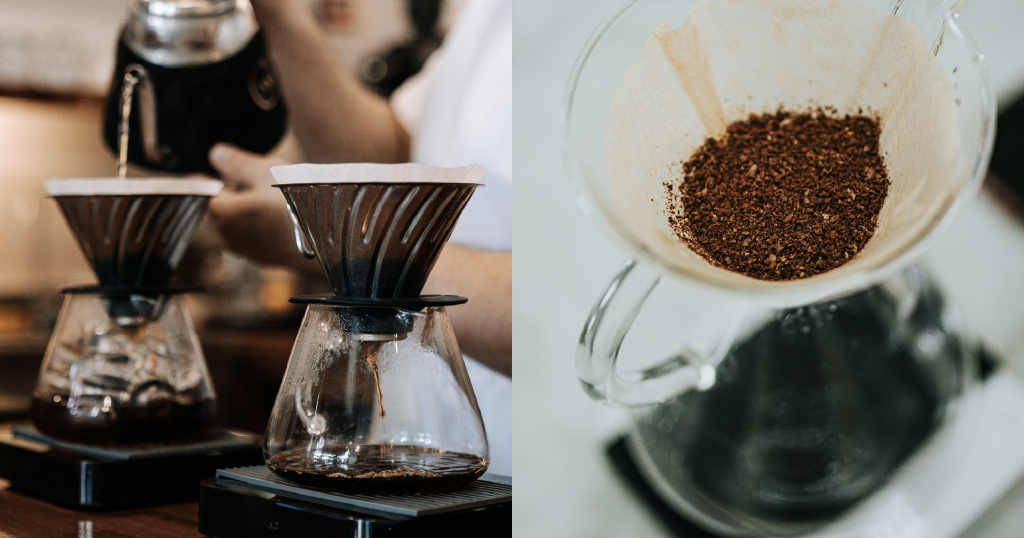
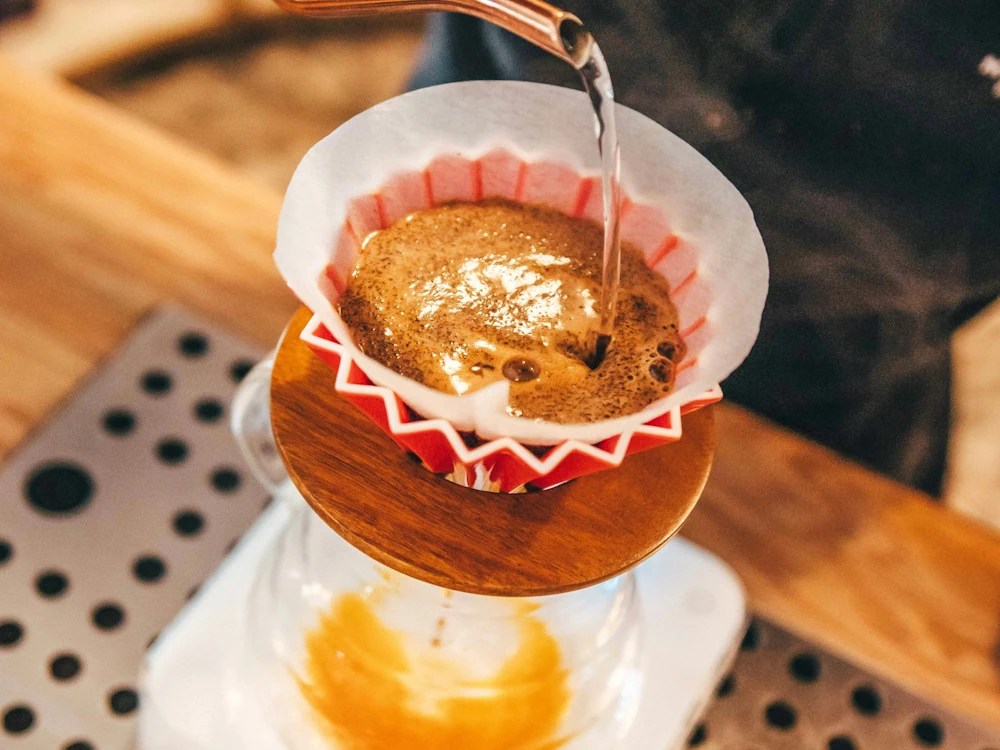
The ritual of brewing black filter coffee also connects with Gen Z’s interest in mindfulness. These consumers prioritise self-care and are more likely to outspend older consumers on mindfulness-related wellness products. Convenience still matters to this group, but preparing coffee by hand offers a deliberate pause in the day.
“Just like wine, specialty coffee can win back cultural relevance by knowing its audience, defining its tiers, and turning value into an experience, not just a taste,” Chinny says.

Gen Z isn’t opposed to black coffee, but bolder, more customised drinks are currently winning their attention.
Better flavour communication, accessible branding, and a genuine willingness to meet younger consumers on their own terms could shift that balance. And as Gen Z grows older, black coffee is likely to find its way back into cultural favour.
If you’re interested in increasing your sales & acquiring more leads, check out PDG Media, our sister marketing agency dedicated to specialty coffee.
Perfect Daily Grind
Want to read more articles like this? Sign up for our newsletter!
Source link